 Marble
View Details →
Banswara Purple Marble
Rich violet tones. Banswara, Rajasthan.
View Details →

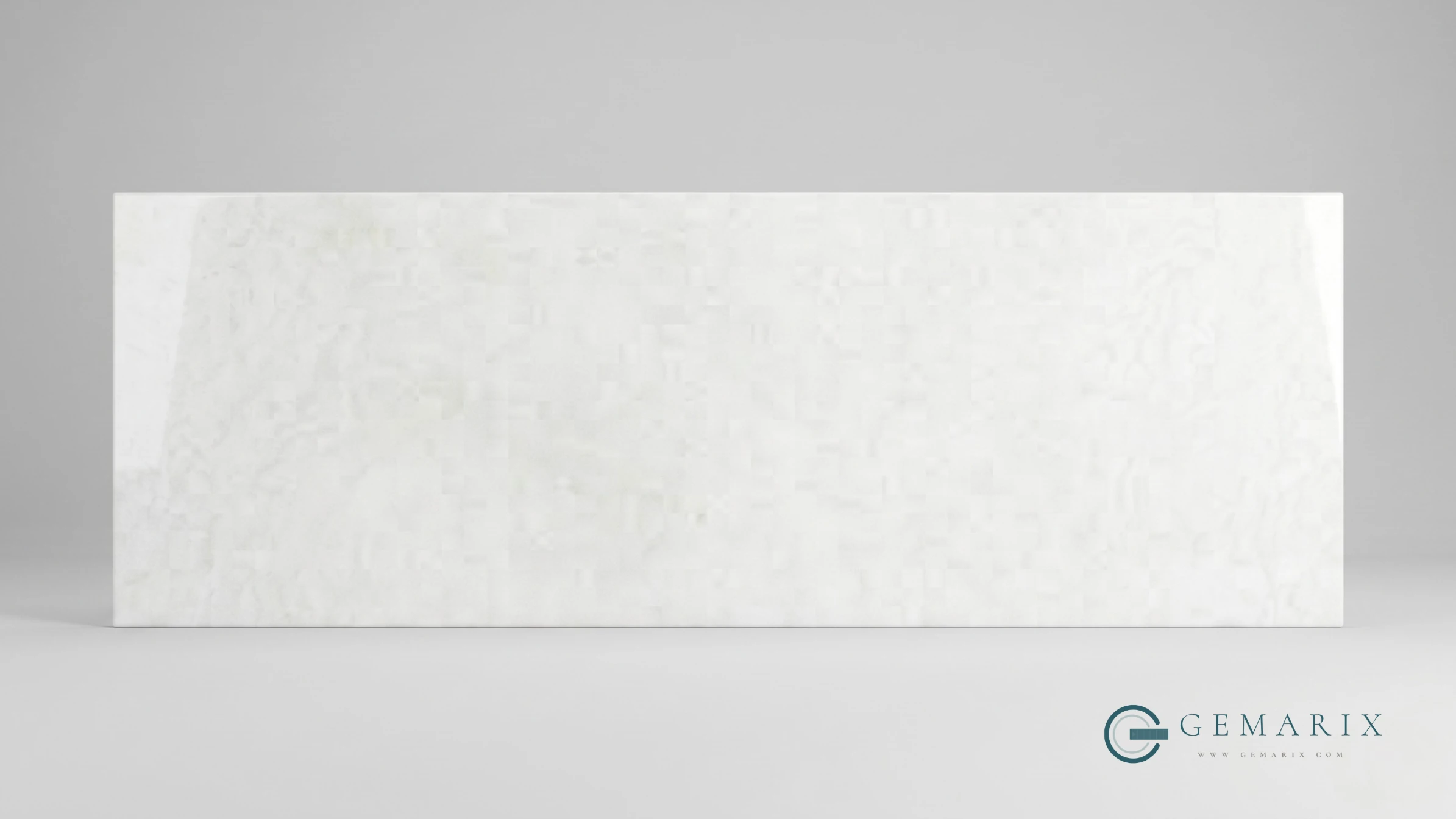
FOB Mundra / Nhava Sheva. MOQ and pricing vary by specification.
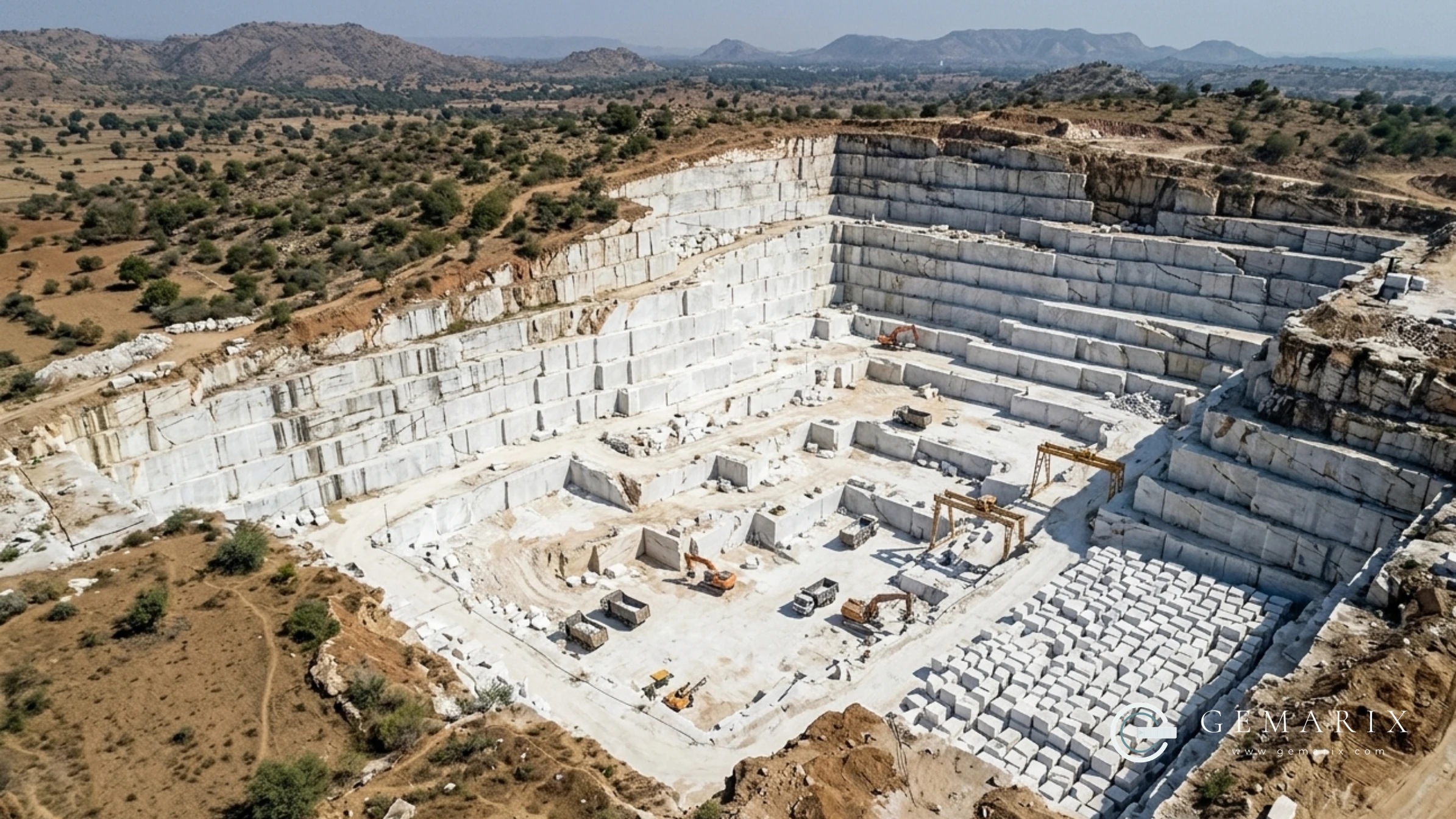
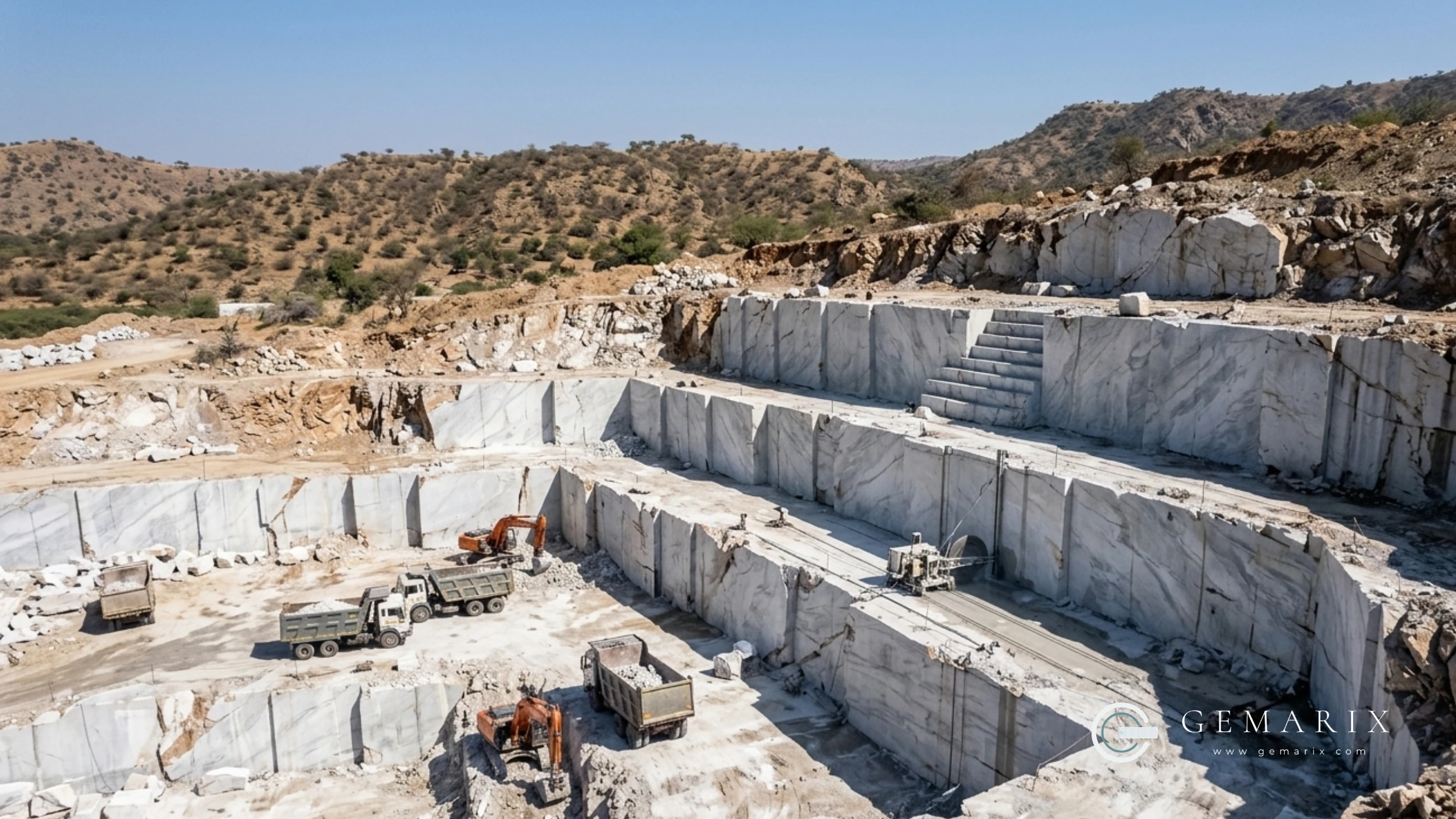
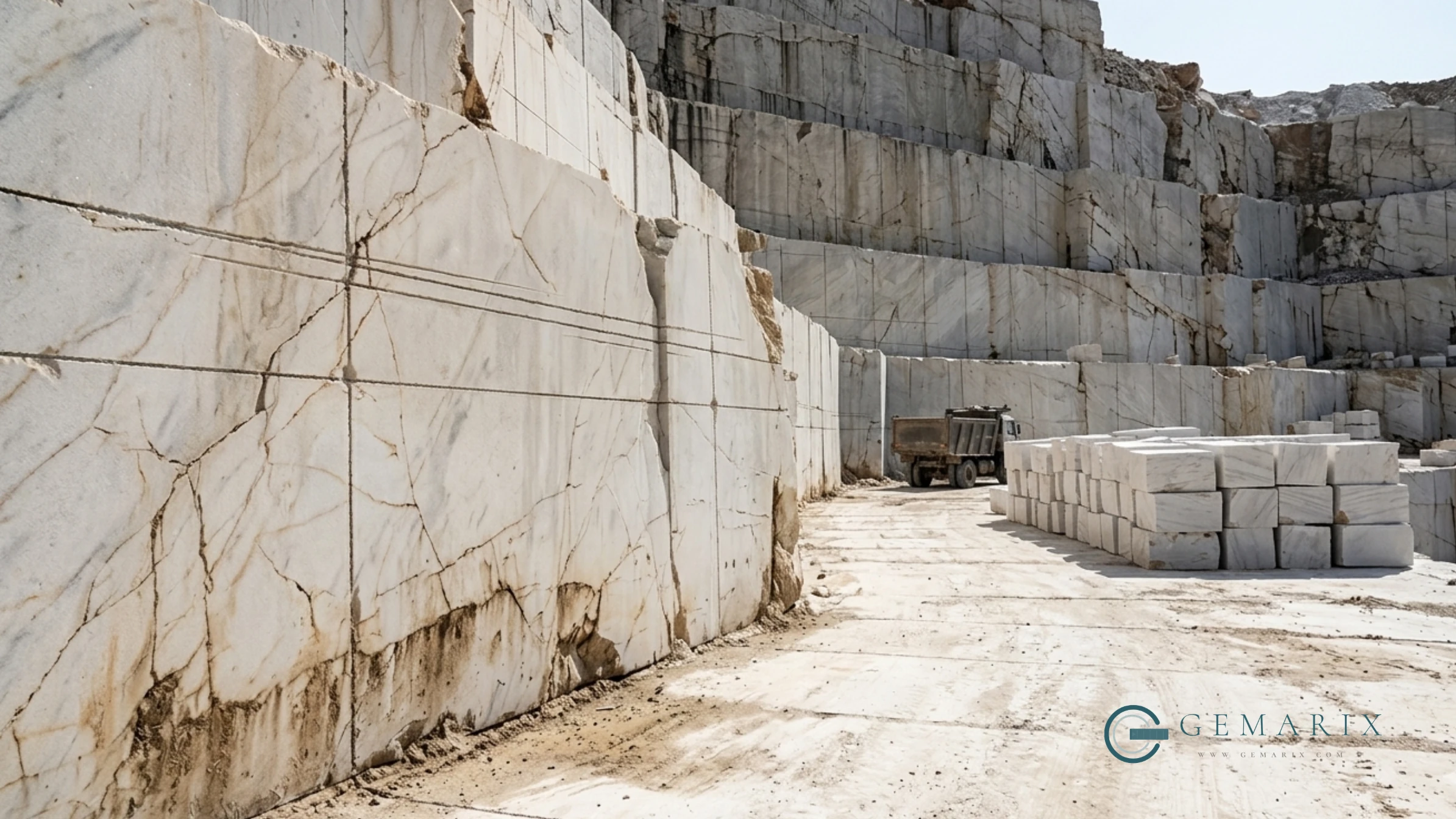
Ambaji White Marble takes its name from the Udaipur district of Rajasthan — the city of lakes and one of India's most storied stone-producing regions. The marble deposits here sit within the southern Aravalli belt, where Precambrian limestone formations underwent intense heat and pressure over geological timescales, producing the fine-grained, tightly crystallised marble structure that gives this stone both its exceptional workability and its distinctive soft colour palette.
Udaipur has supplied stone for palaces, temples, and step-wells across Rajasthan for centuries. Today the region's quarries serve a global export market, and our facility sources directly from quarry faces we know well — enabling the consistency of block quality and colour matching that large project specifications demand.
Indicative quarry views — actual sourcing site varies by stone
Ambaji White is a dense, hard metamorphic marble with a higher density than typical Rajasthani whites. Mineralogically it is dominated by recrystallised calcite, with trace dolomite contributing to its hardness and durability. The fine grey veining represents minor carbonaceous and silicate inclusions stretched along metamorphic foliation planes. Its sculptural quality has historically made it a preferred material for temple statuary across western India. Origin and specifications verified by Gemarix.
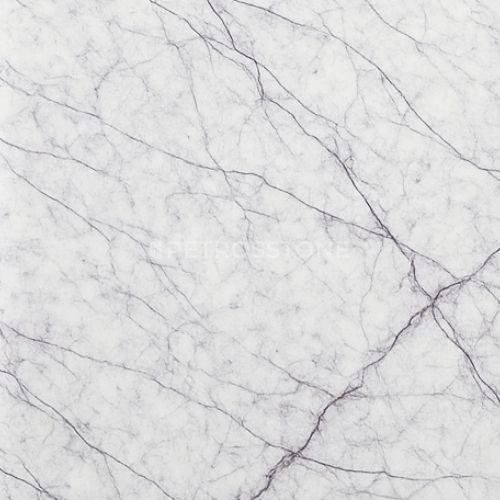
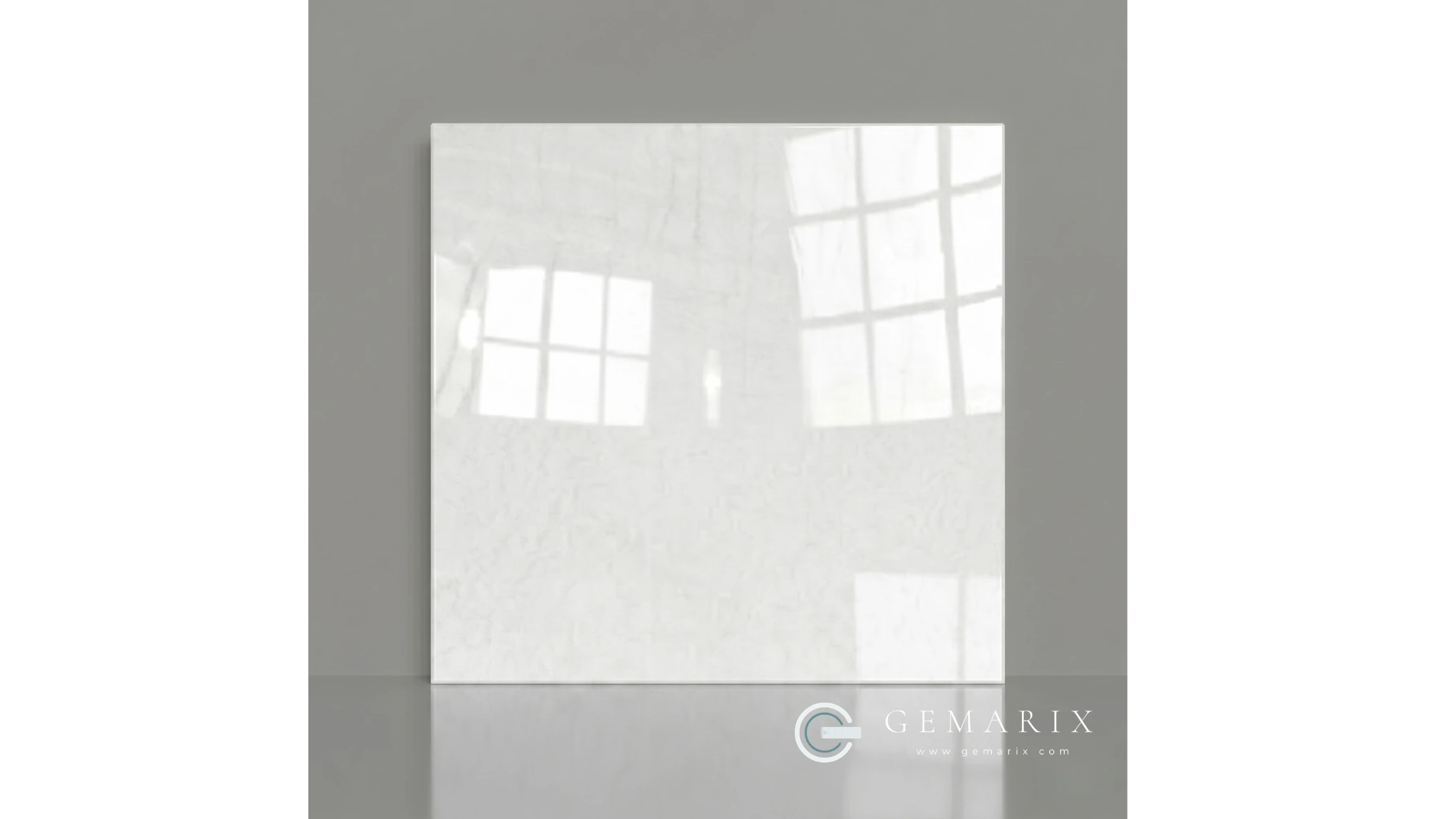
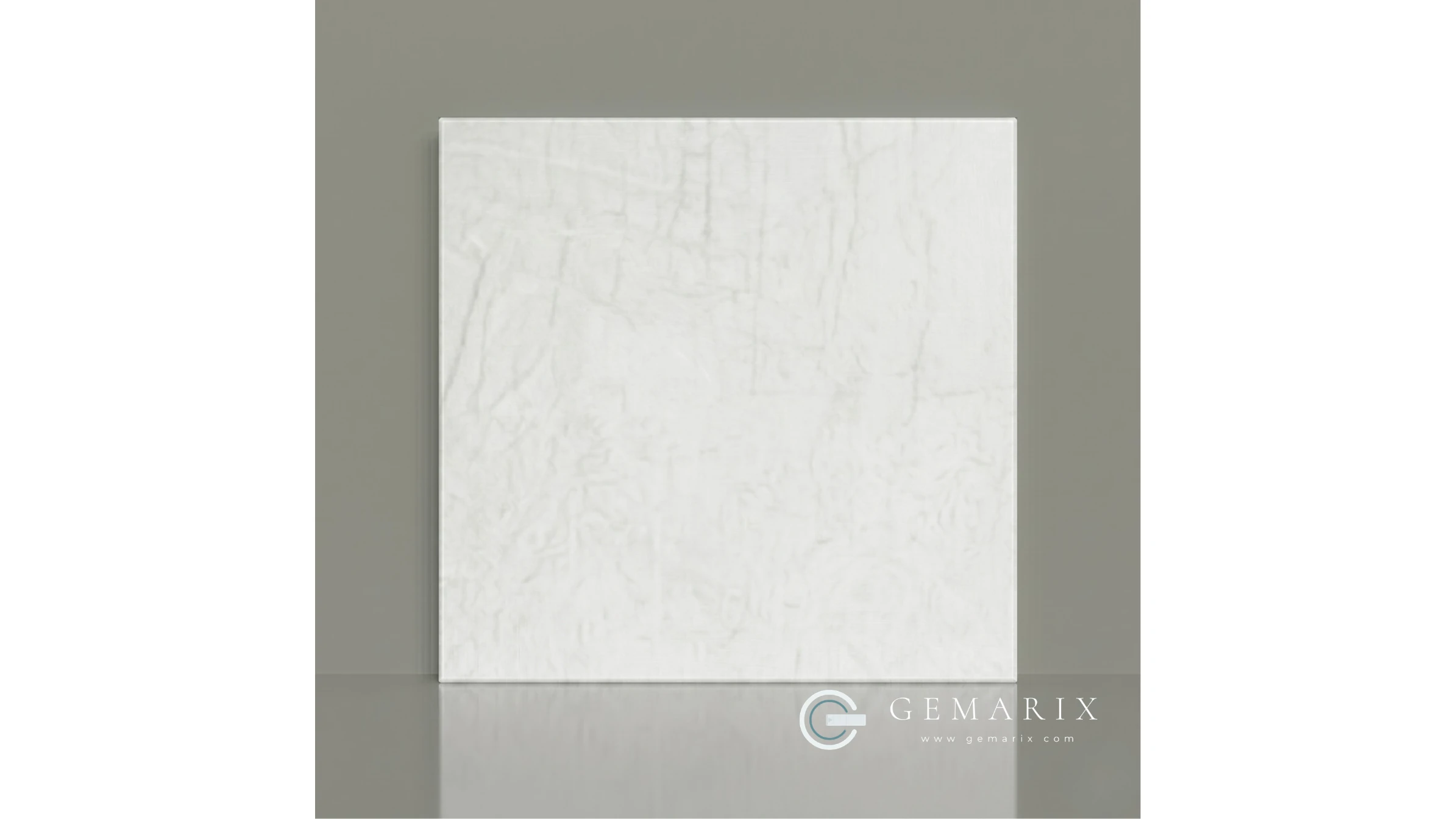
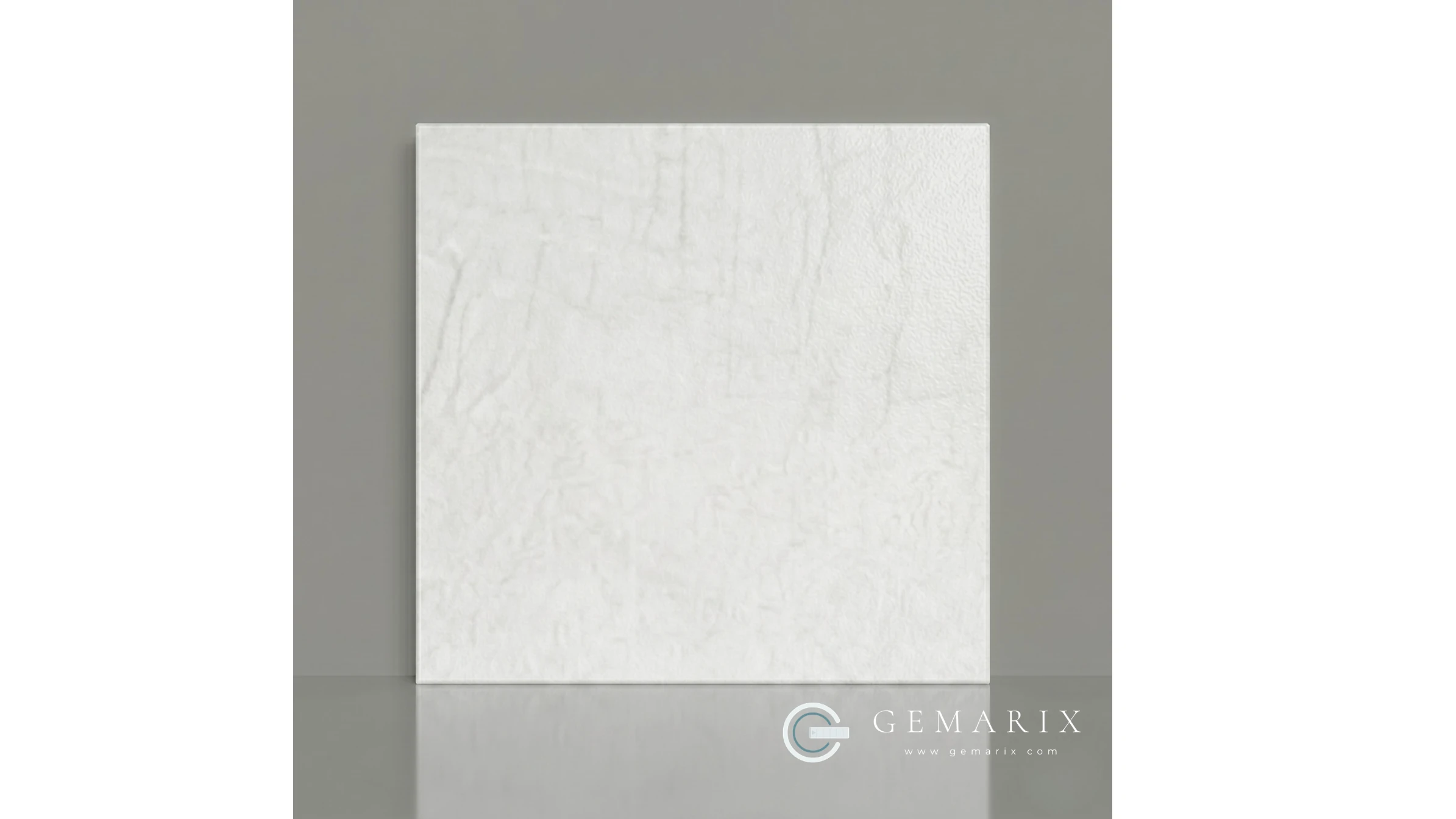
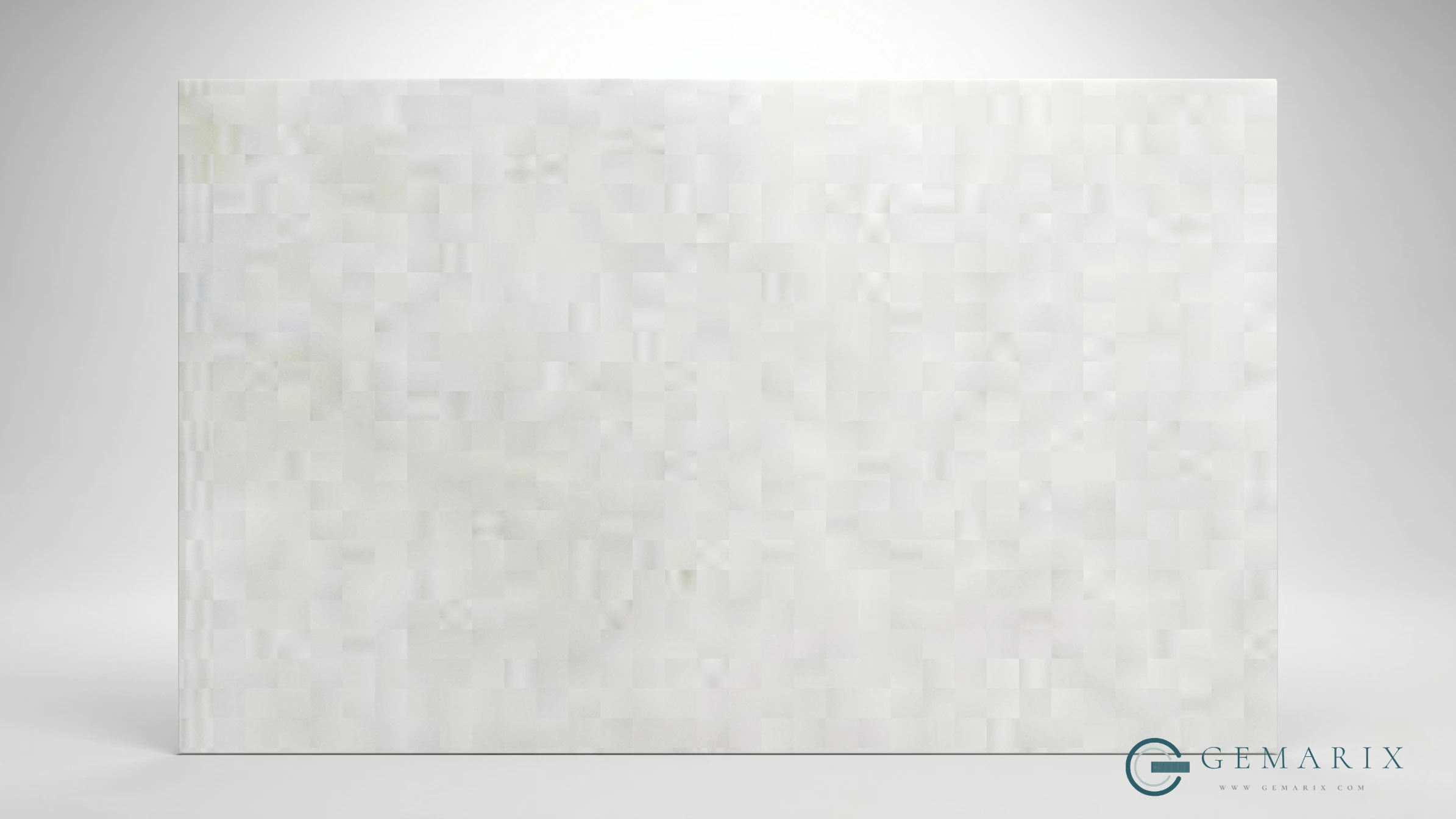
Ambaji White presents as a bright, near-pure white with delicate grey veining that reads as sketchy and incidental rather than dominant. Some slabs are near-clean; others carry threads of soft grey or hairline charcoal lines that move across the surface in irregular, organic patterns. The overall character is clean, cool, and slightly luminous — closer in feel to Italian Bianco than to most Indian whites.
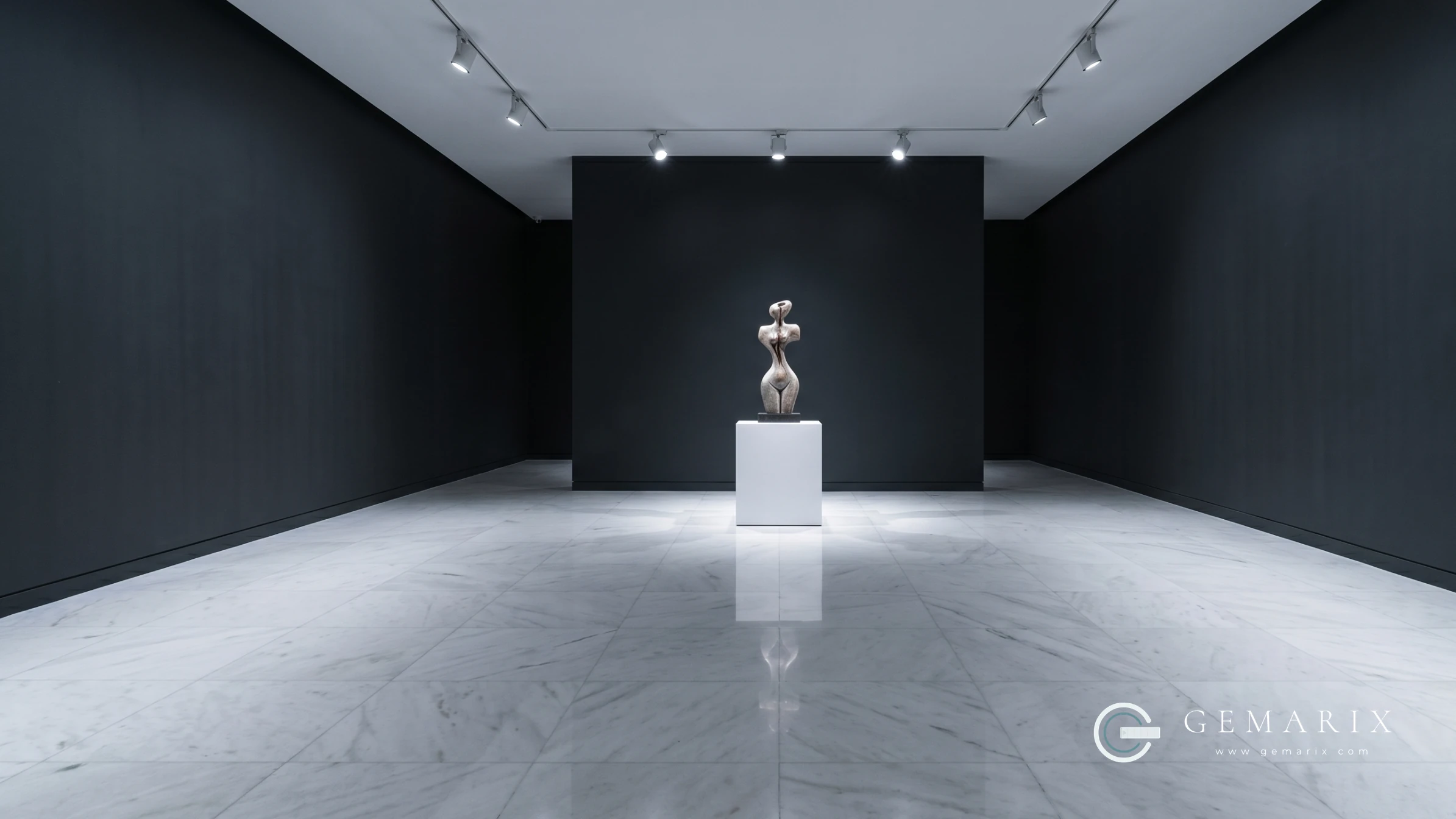
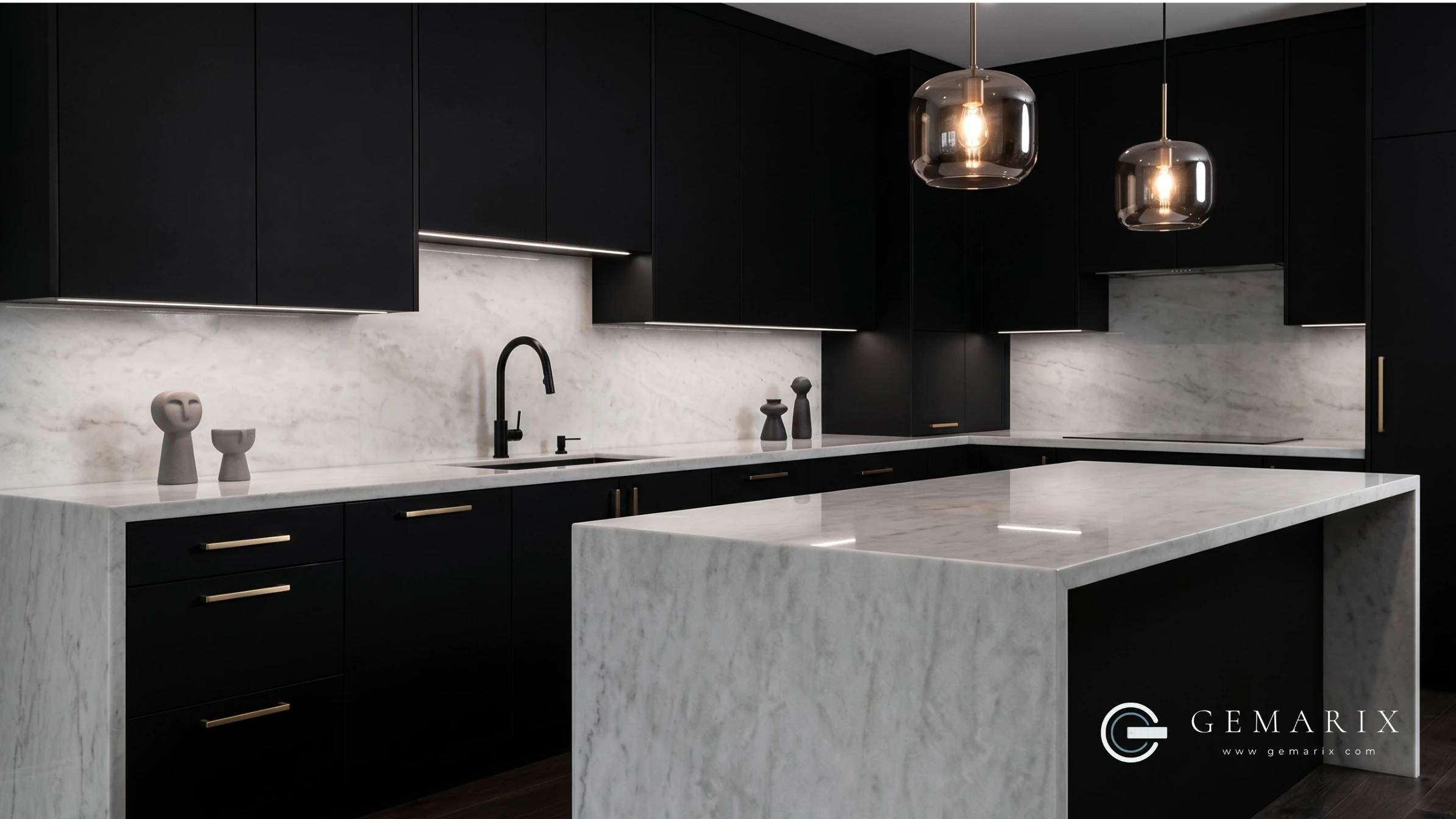
The stone pairs effectively with both warm and cool design palettes — against oak and brass it warms gracefully; against blackened steel and dark walnut it provides crisp tonal contrast. Polished finishes accentuate the marble’s brightness and deepen the contrast of the grey veins; honed finishes pull the surface towards a soft, museum-grade matte ideal for high-traffic residential floors.
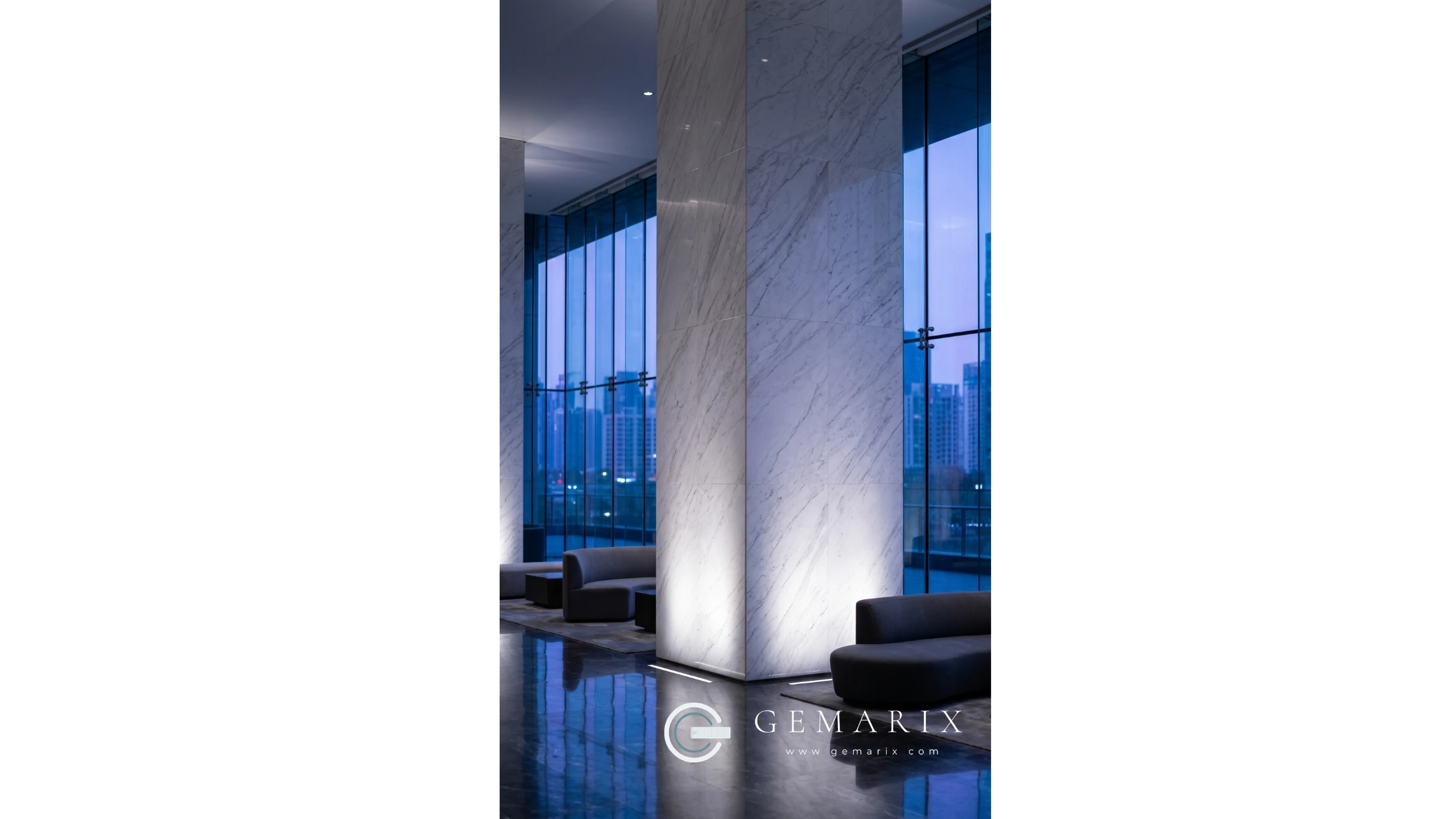
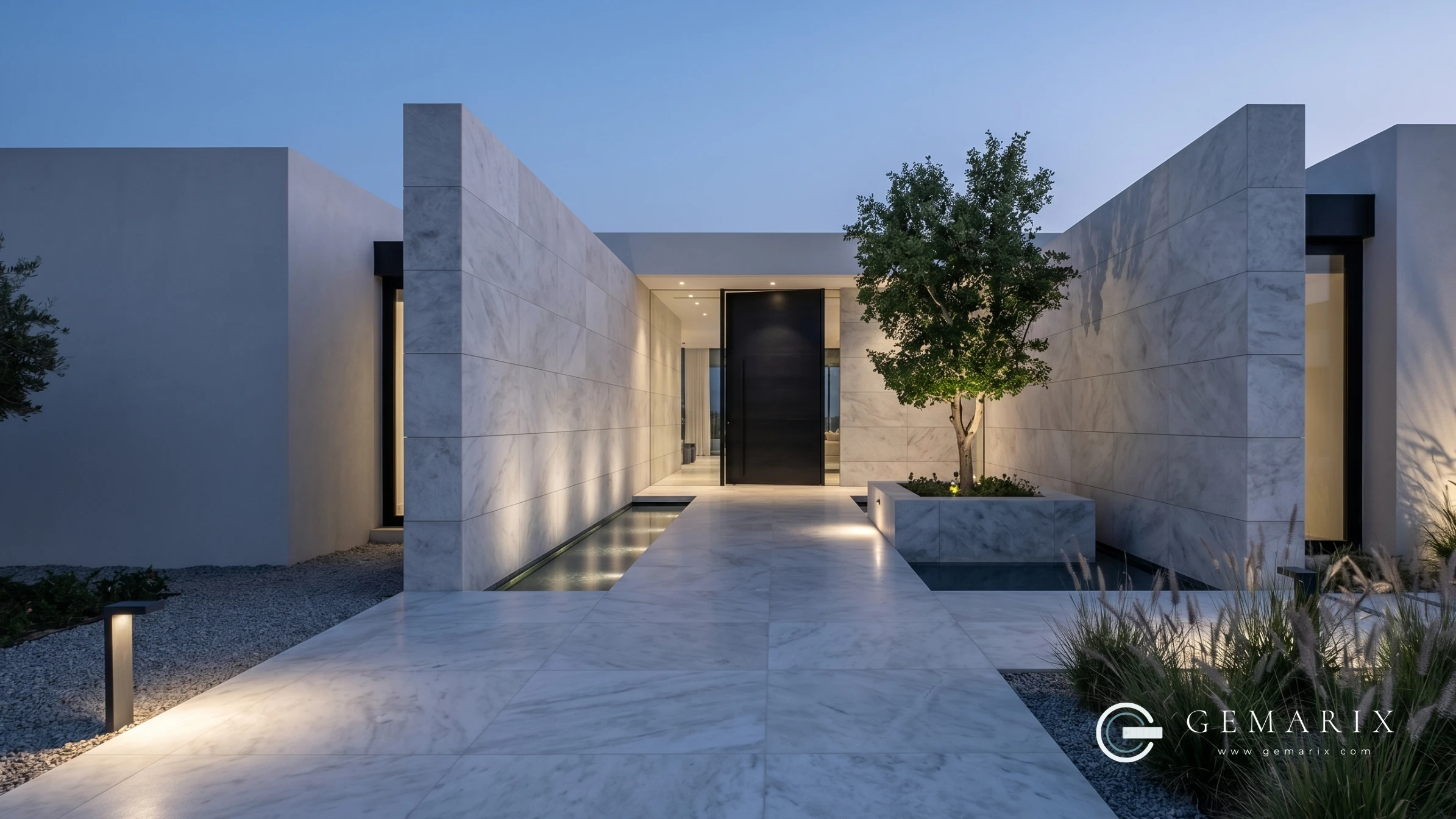
Ambaji White Marble is most commonly specified for premium residential flooring, statuary and sculptural commissions, temple architecture, and hospitality interiors where the brief calls for a hard, bright white. Its density makes it well-suited to high-traffic floor applications where softer marbles would show wear, and its visual clarity holds its own in large unbroken installations such as hotel lobbies and luxury residences.
Gangsaw slabs (280 × 180 cm) suit large cladding and flooring; cutter slabs (180 × 60 cm) are the typical format for vanity tops, kitchen surrounds, and stair treads. Custom tile sizes and book-matched slab pairs are available for feature wall and ceiling applications. Our Rajasthan facility processes Ambaji blocks to project specification before container despatch from Mundra or Nhava Sheva.
Polished finish maximises the marble’s brightness and produces a high-reflectivity surface ideal for vertical cladding and statuary — the most frequently specified finish. Honed finish produces a soft, museum-grade matte well-suited to residential floors and bathroom installations. Leathered finish introduces gentle surface texture and is occasionally specified for vanity tops in contemporary projects. Brushed finish suits heritage restoration and traditional architectural applications.
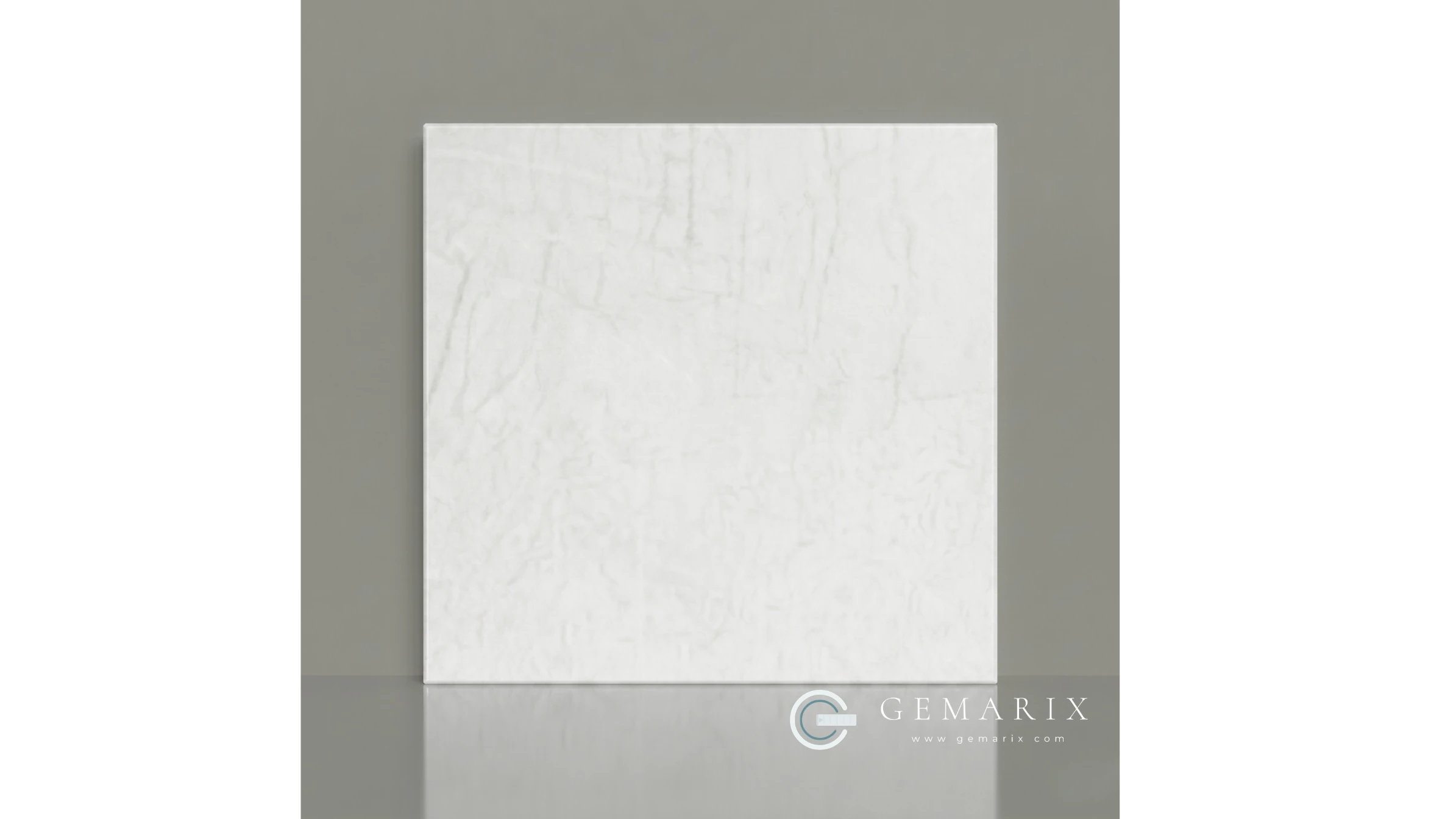
This stone is supplied in two production formats. Gangsaw slabs are large-format slabs for premium architectural projects requiring continuous surfaces. Cutter slabs are smaller-format slabs optimised for residential installations and tile production.
Custom tile sizes available: 60×60 cm, 60×90 cm, 90×90 cm. Cut to specification at our Rajasthan facility.
Apply a penetrating stone sealer at installation; reseal annually in kitchen and bathroom installations. Clean with a pH-neutral stone cleaner — never acidic cleaners, citrus-based products, or abrasive pads. Blot spills immediately, particularly wine, coffee, and oil. Ambaji’s higher density gives it slightly better stain resistance than softer marbles, but sealing remains essential for long-term performance.
Marble
Rich violet tones. Banswara, Rajasthan.
View Details → Marble
Milky white. Makrana, Nagaur — India's most storied quarry.
View Details →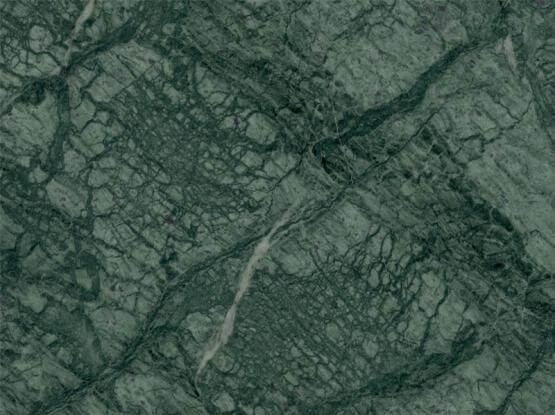 Marble
Deep emerald green with gold veining. Rajsamand, Rajasthan.
View Details →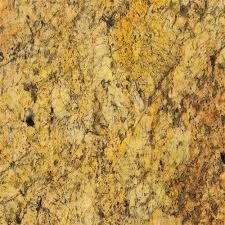 North Indian Granite
Warm golden-beige. North India.
View Details →