 Marble
View Details →
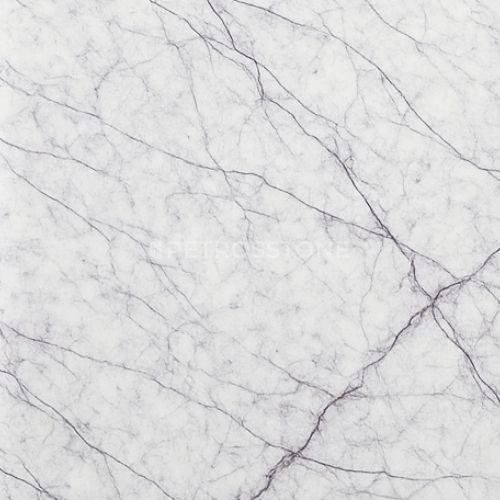
Banswara Purple Marble
Rich violet tones. Banswara, Rajasthan.
View Details →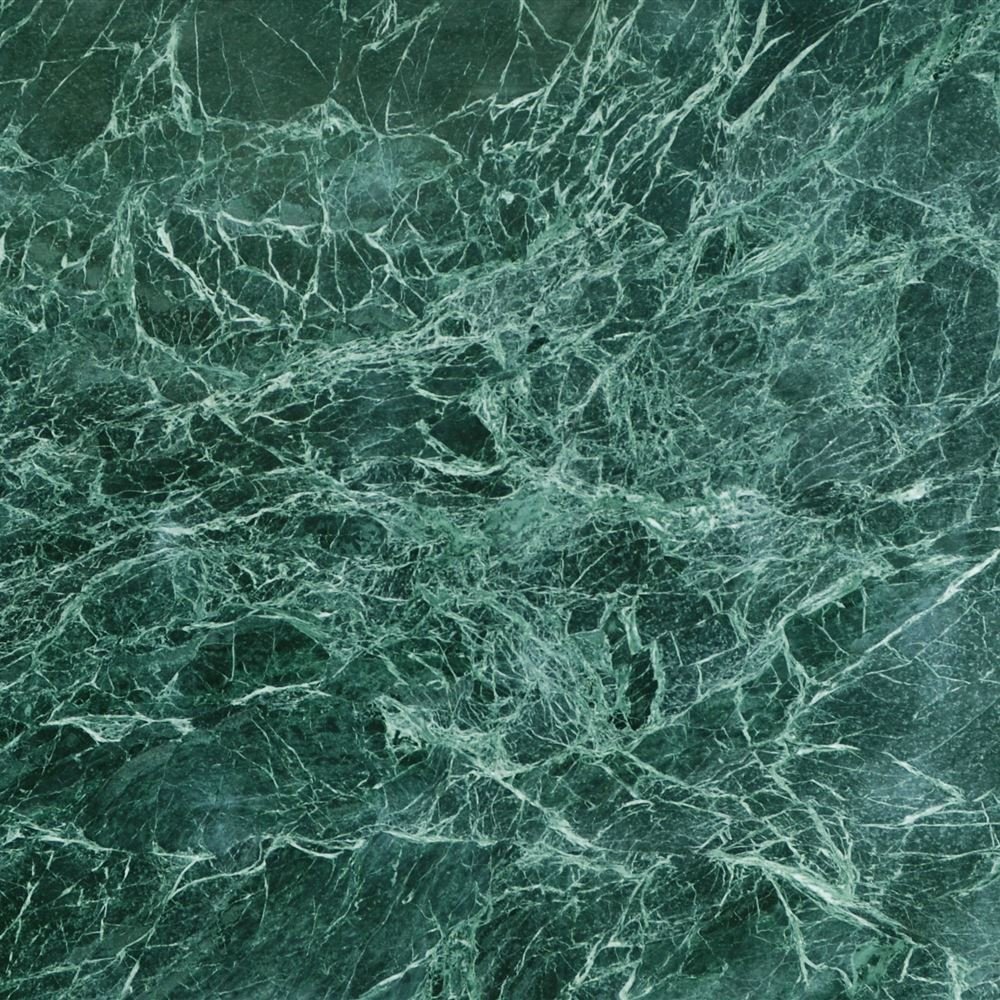
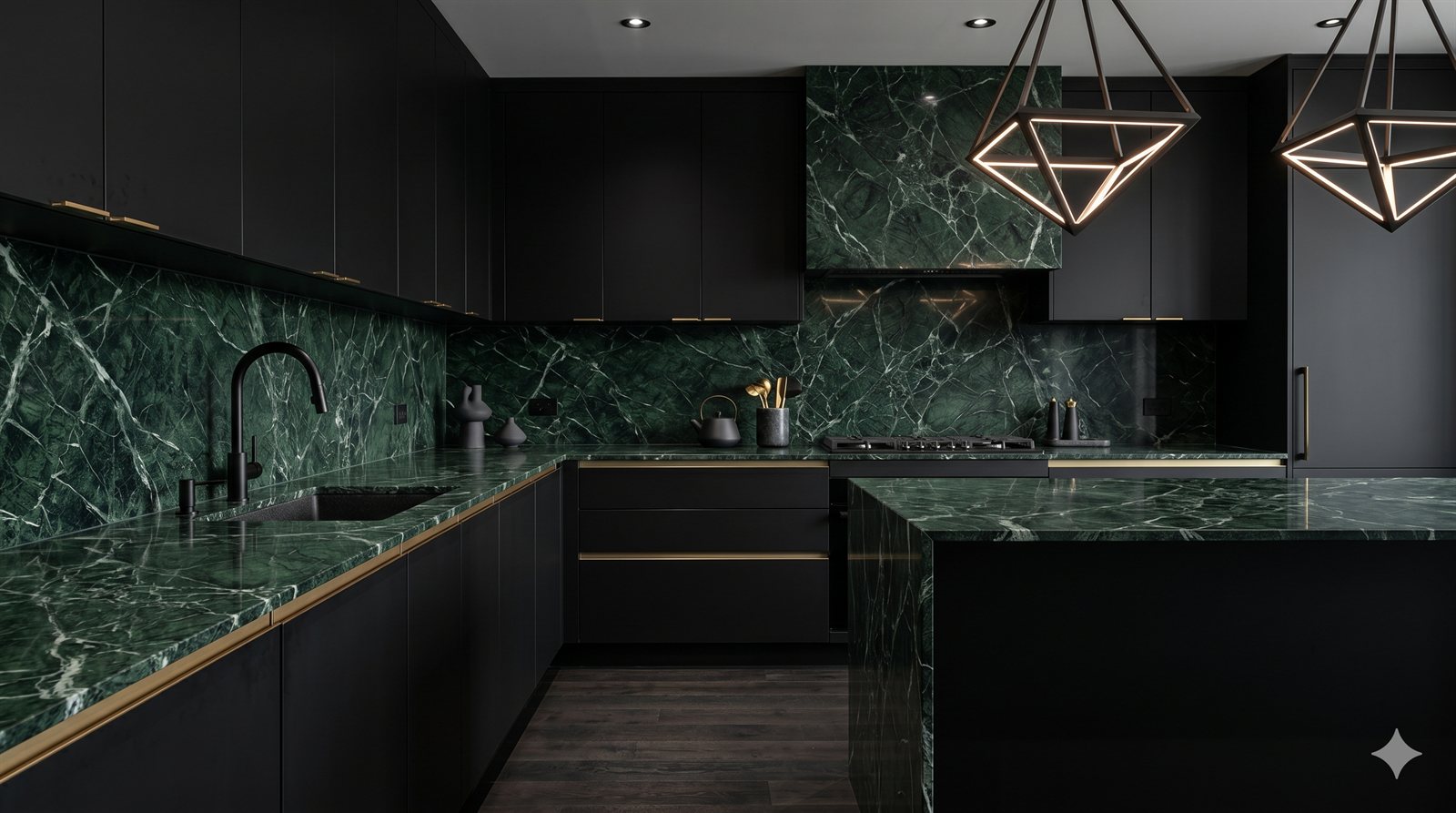
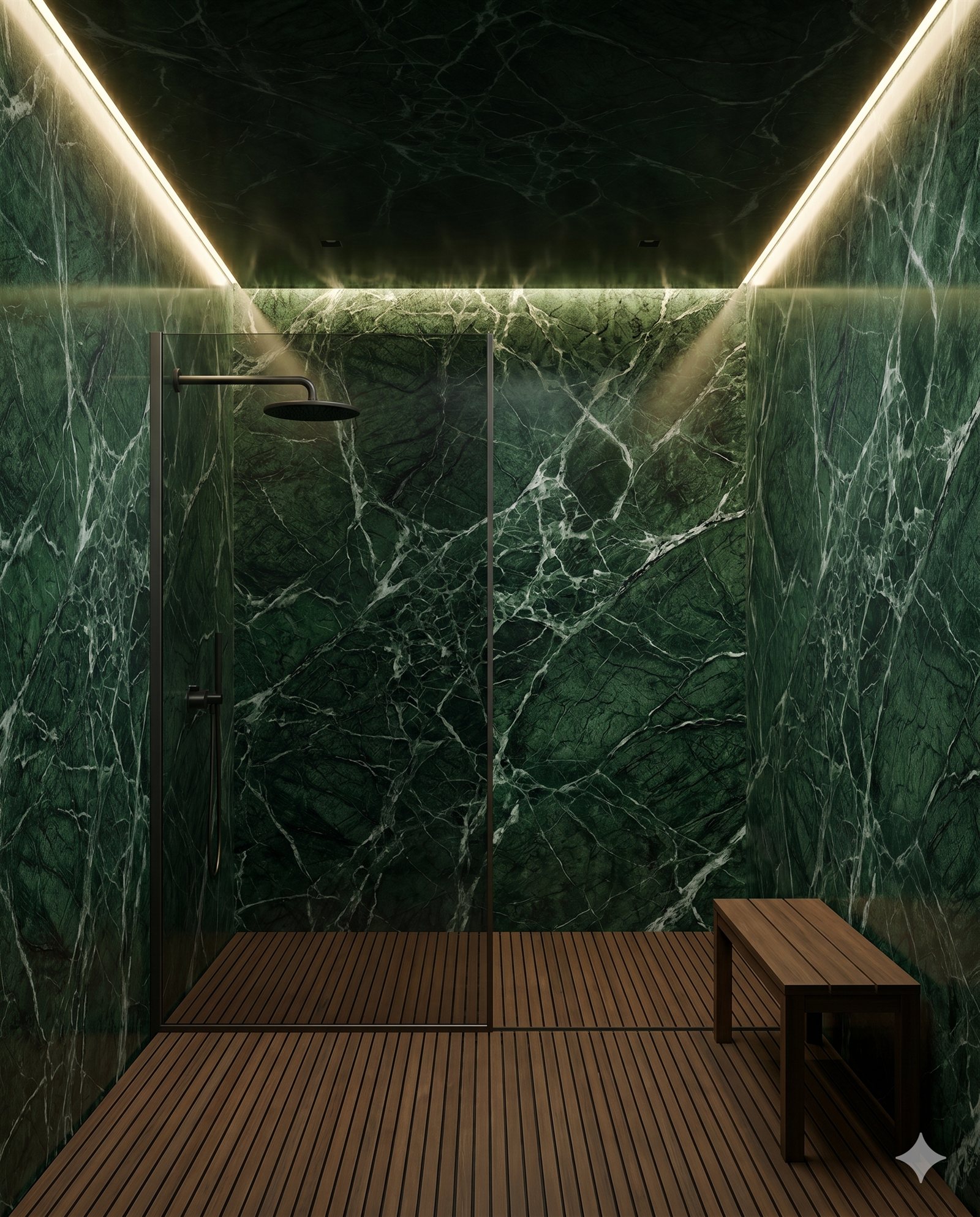
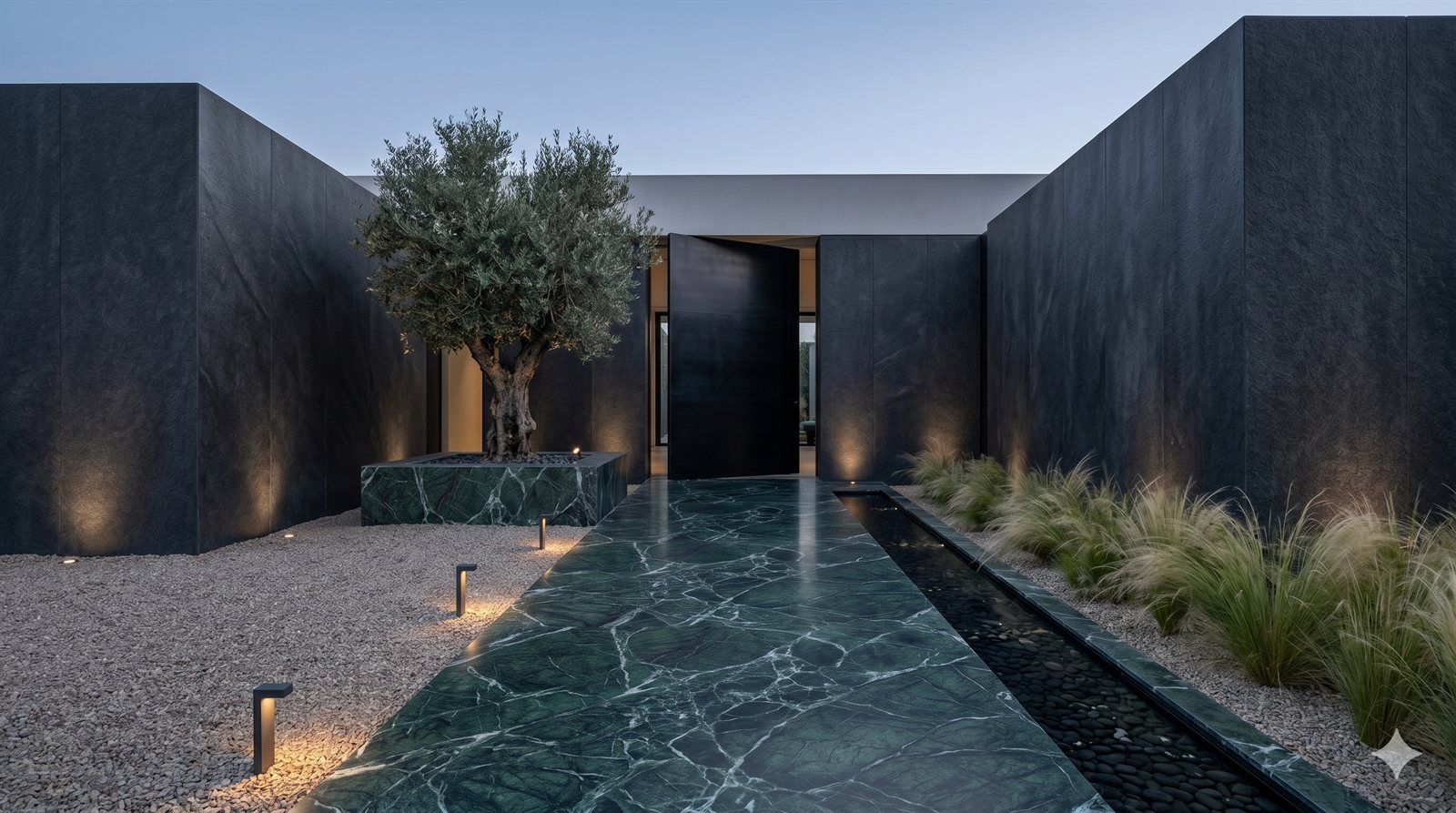
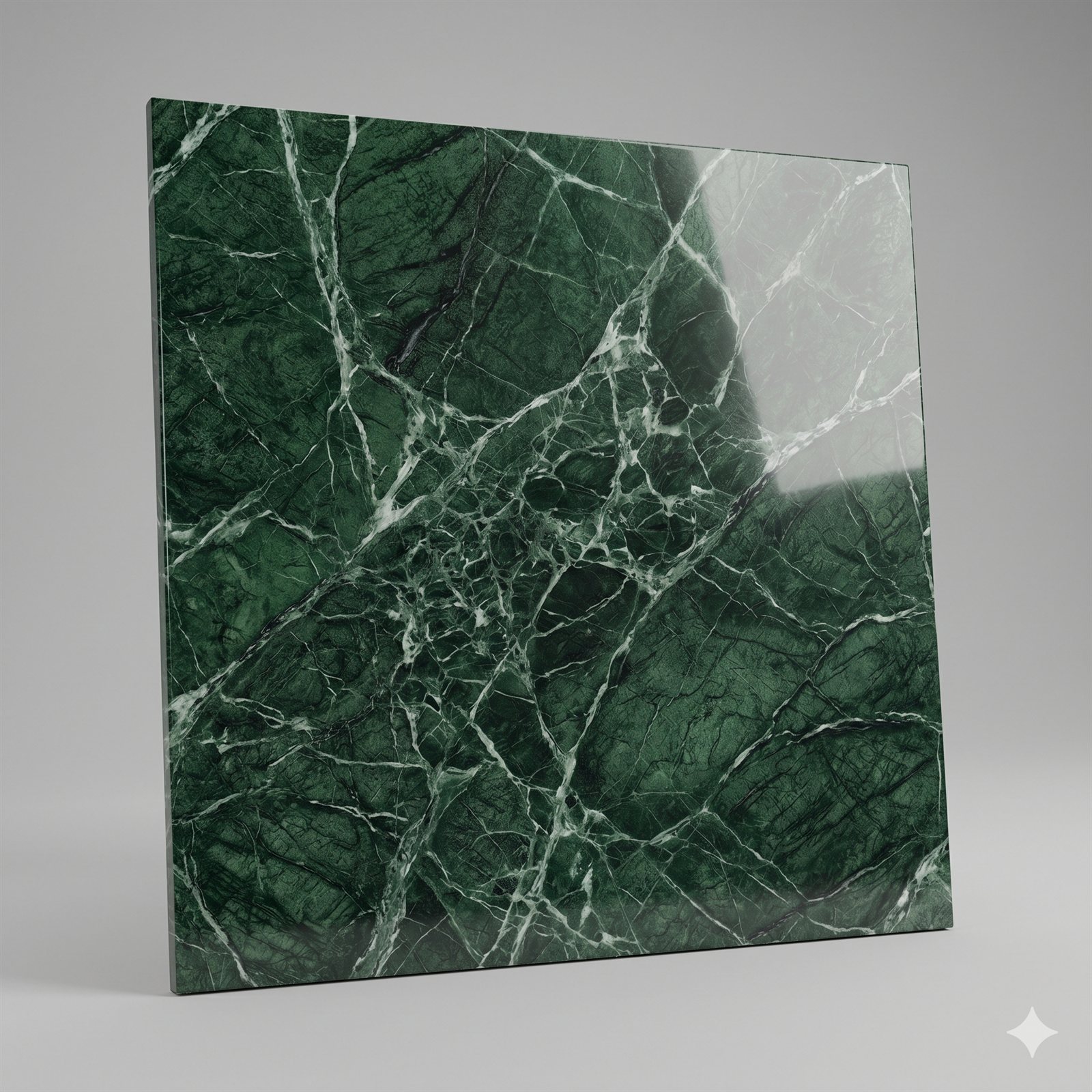
FOB Mundra / Nhava Sheva. MOQ and pricing vary by specification.
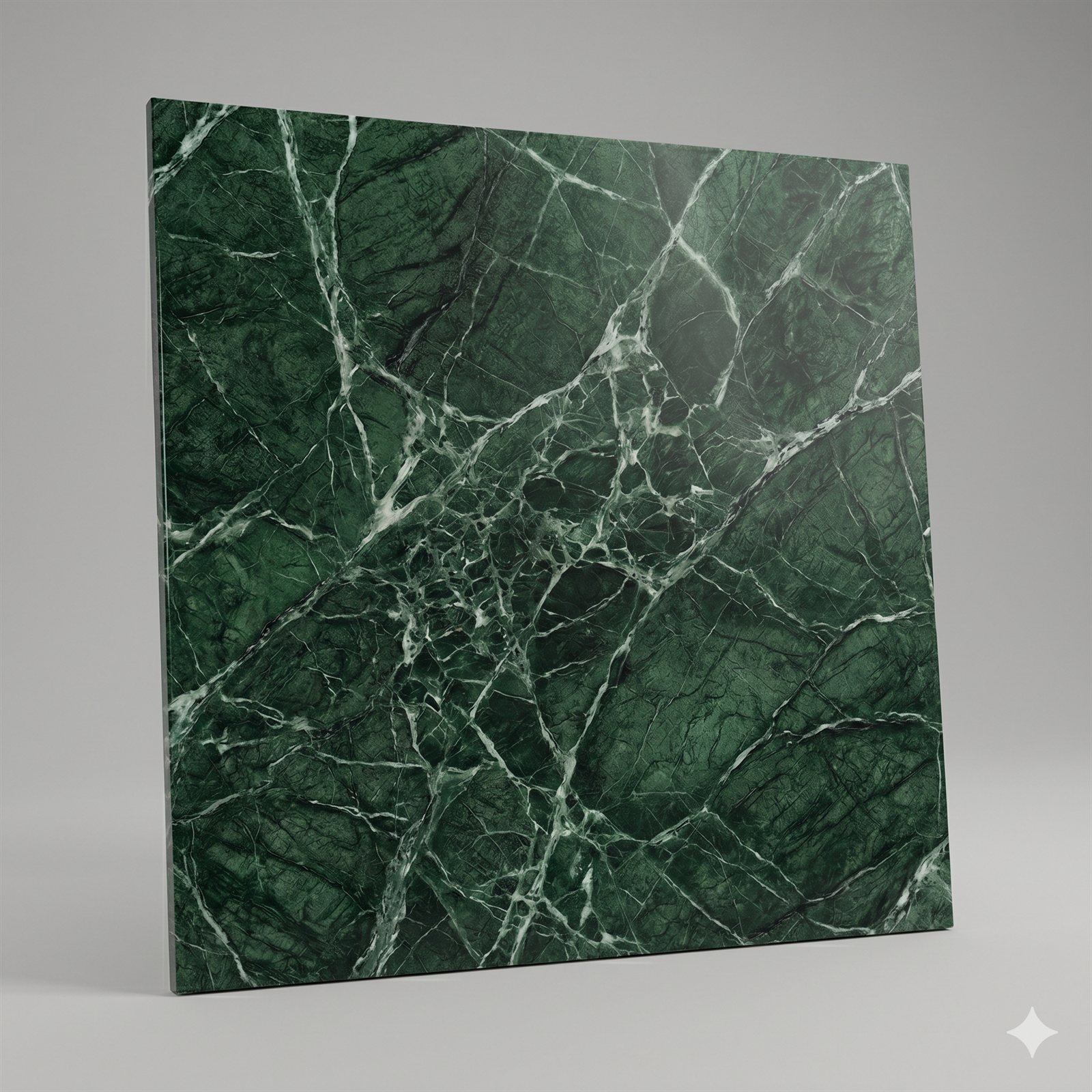
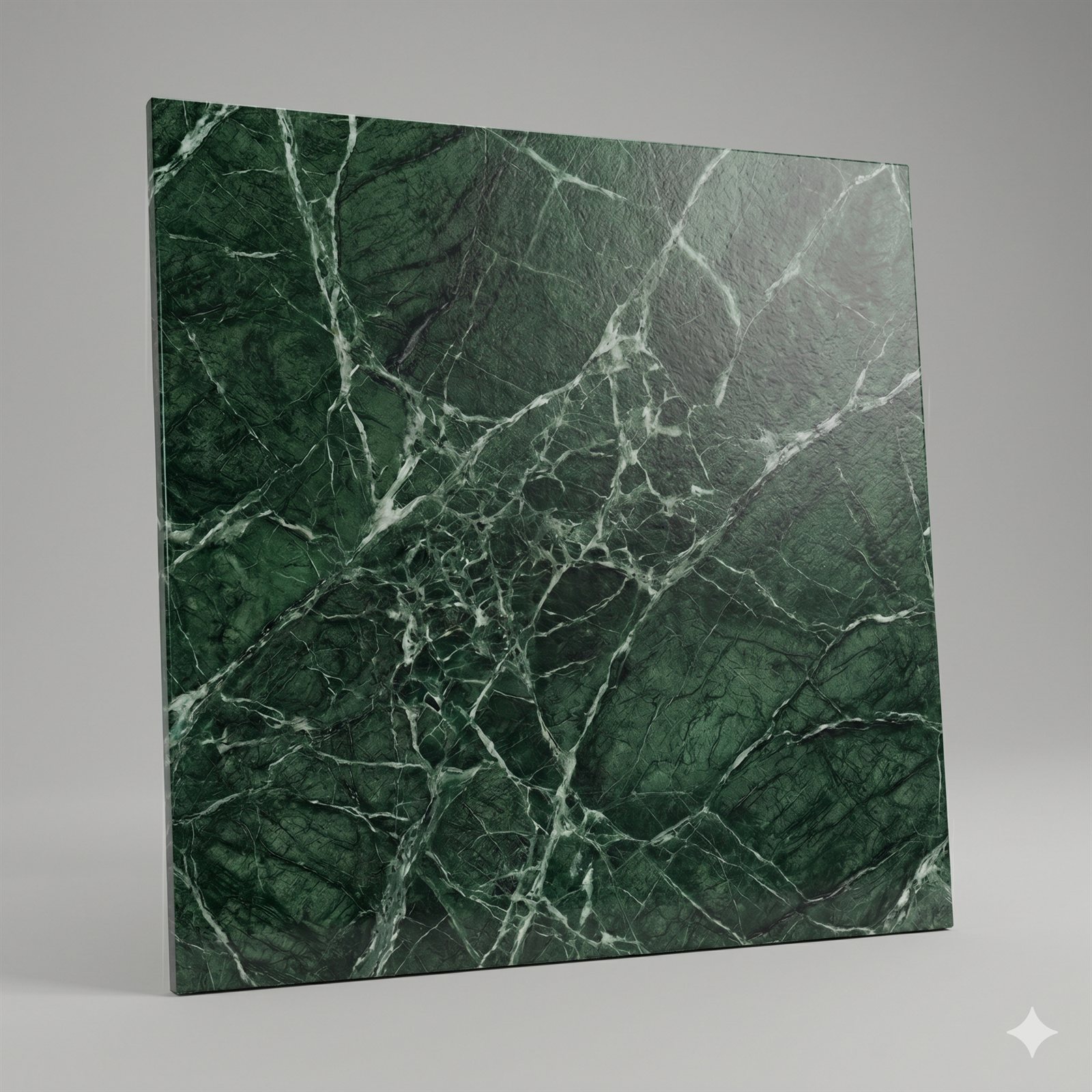
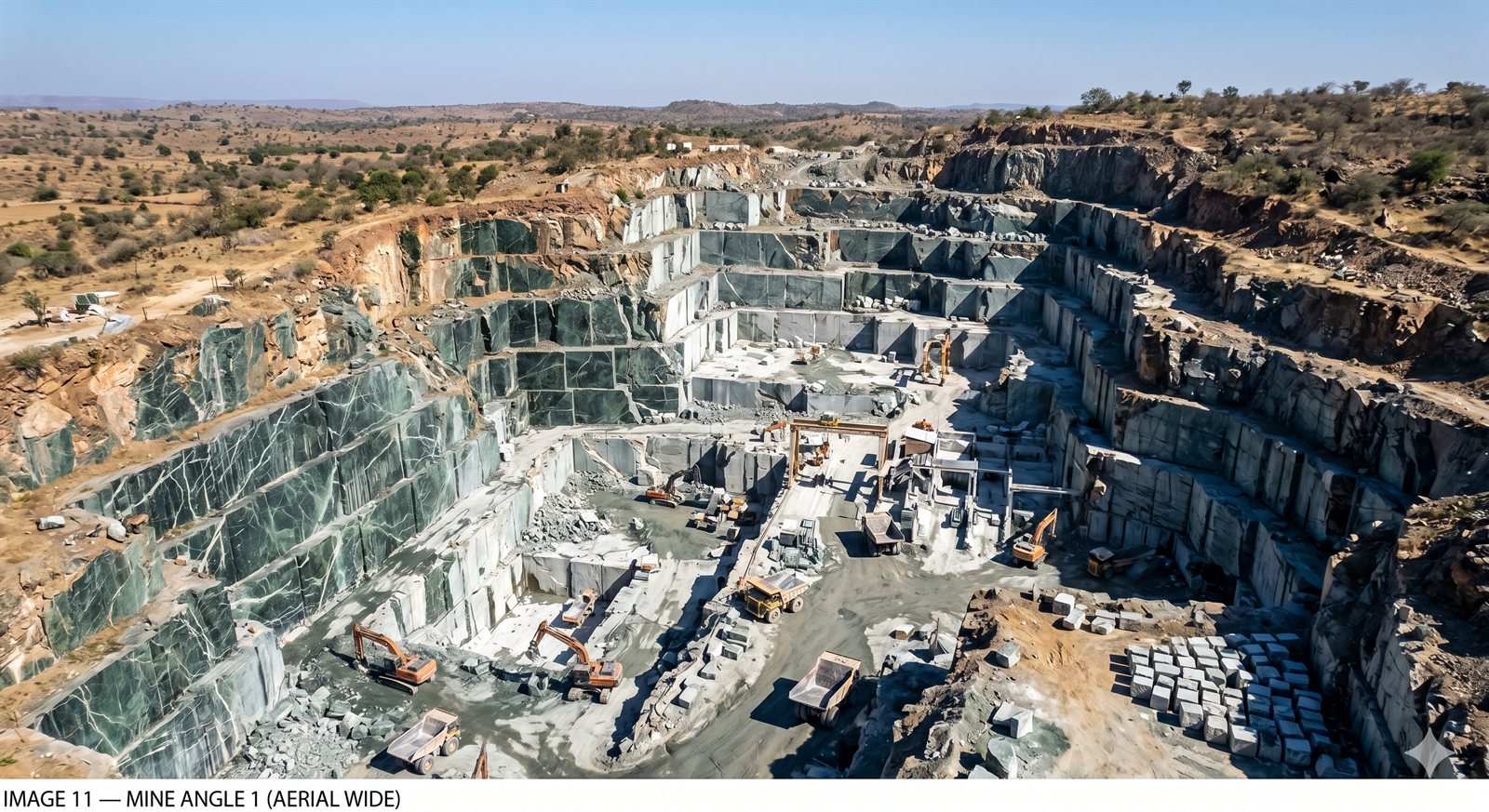
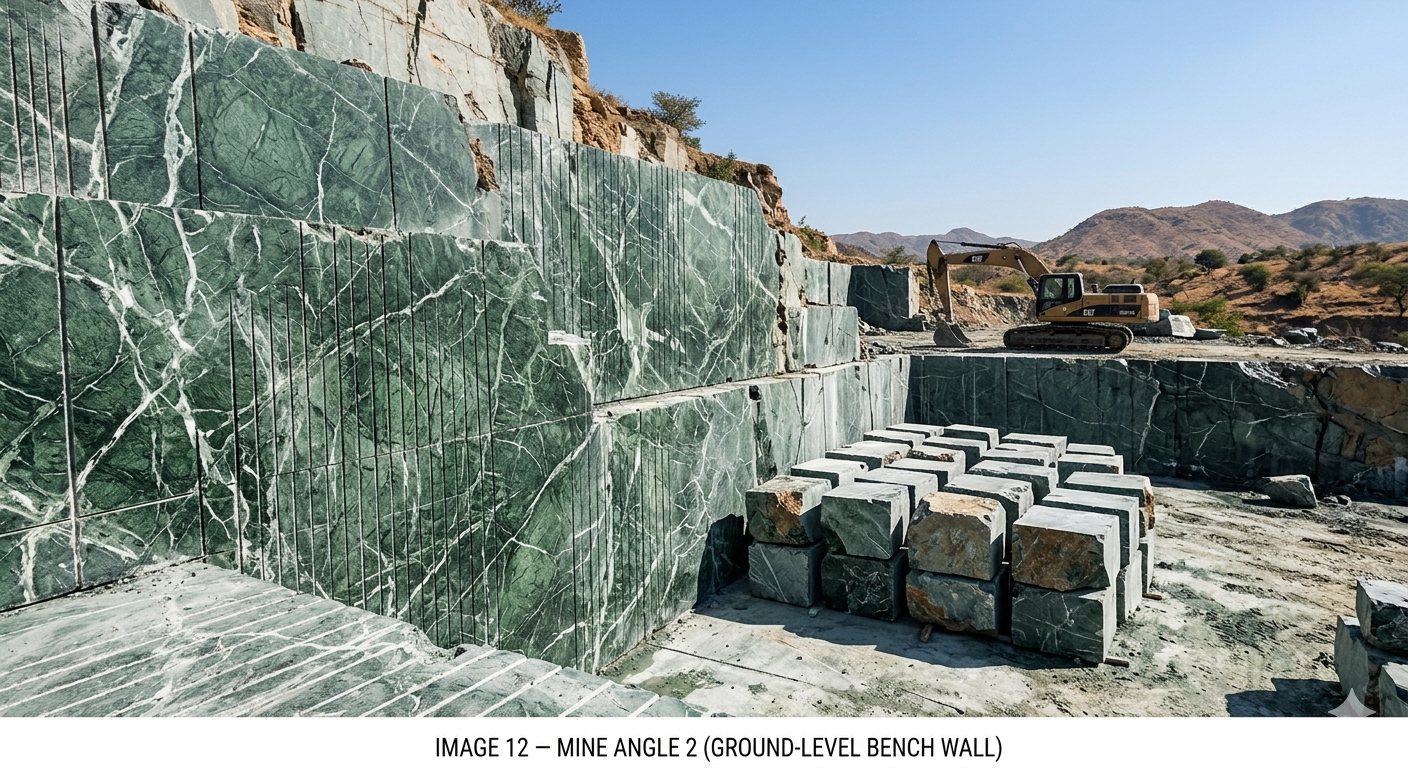
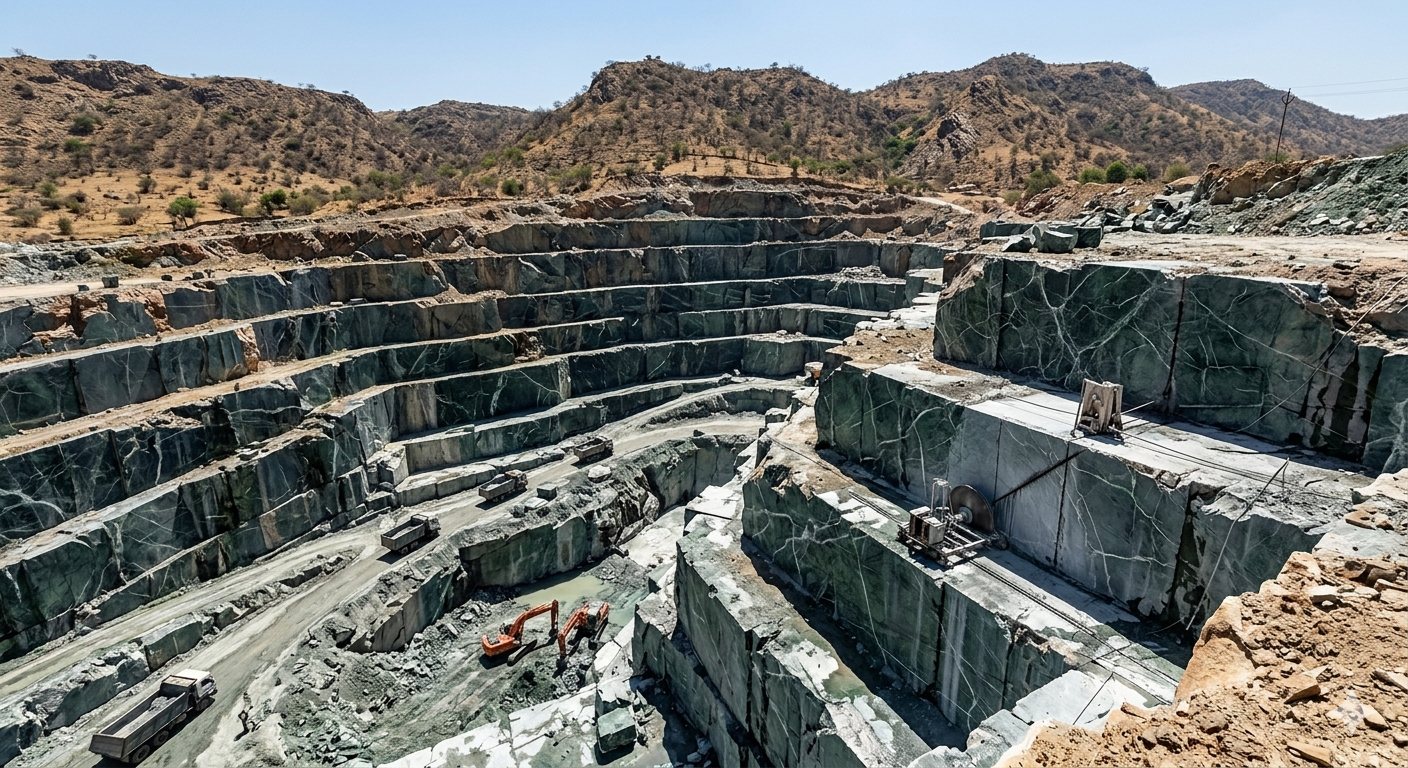
Spider Green Marble is quarried in the Udaipur district of southern Rajasthan, within the same Aravalli geological belt that produces the green marble family India is known for globally. Spider Green takes its name from the distinctive web-like white veining that crosses the deep emerald-green field — patterns reminiscent of spider silk on a leaf, giving the stone instantly recognisable visual character.
Gemarix sources Spider Green directly from quarry operators in the Udaipur belt, allowing us to select for the web-pattern character that defines the material. The veining intensity varies block to block, and project-matched supply requires hands-on quarry-stage selection. Our direct relationships allow us to deliver the dramatic patterning that buyers in Asia, Europe, and North America specifically request through Gemarix for feature installations.
Direct quarry sourcing — Gemarix selects Spider Green blocks in person for web-pattern consistency.
Spider Green is a serpentinite-rich metamorphic stone with marble characteristics, dominated by serpentine and chlorite-group minerals responsible for the deep green colouration, with white calcite veining concentrated along fractures and foliation planes. The interplay between the green serpentine matrix and the white calcite vein network is what produces the spider-web visual signature that gives the stone its name. Origin and specifications verified by Gemarix.
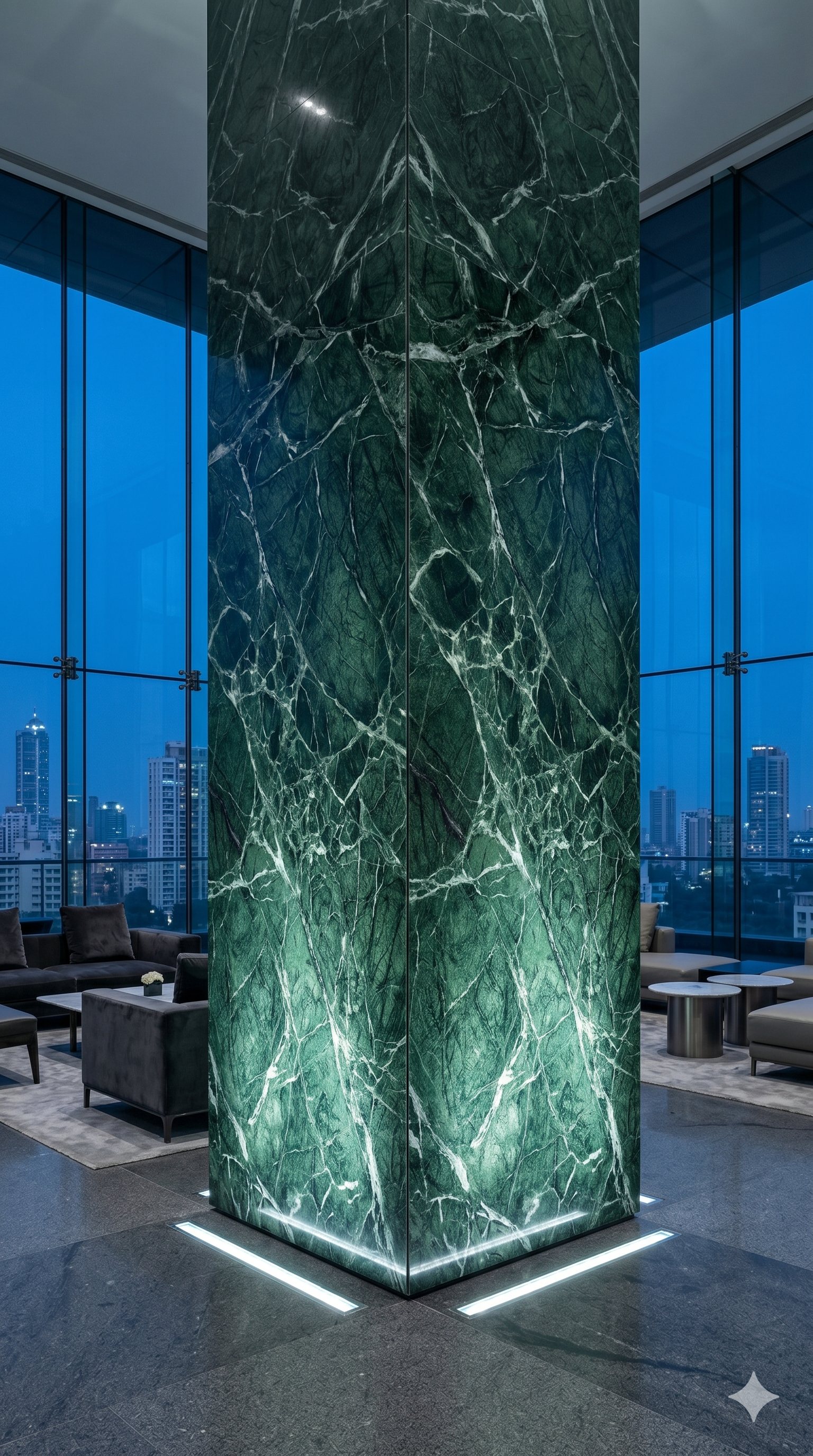
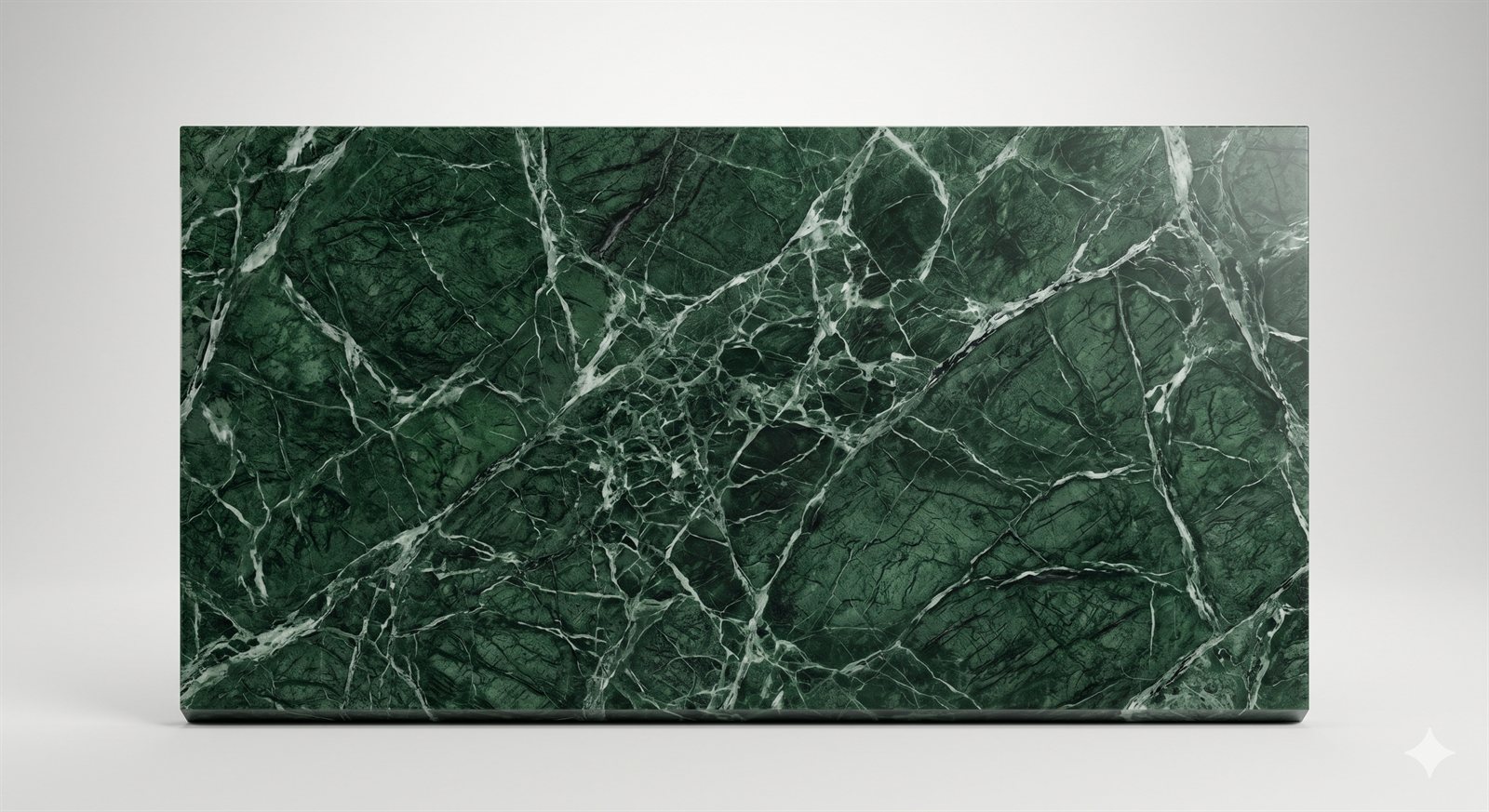
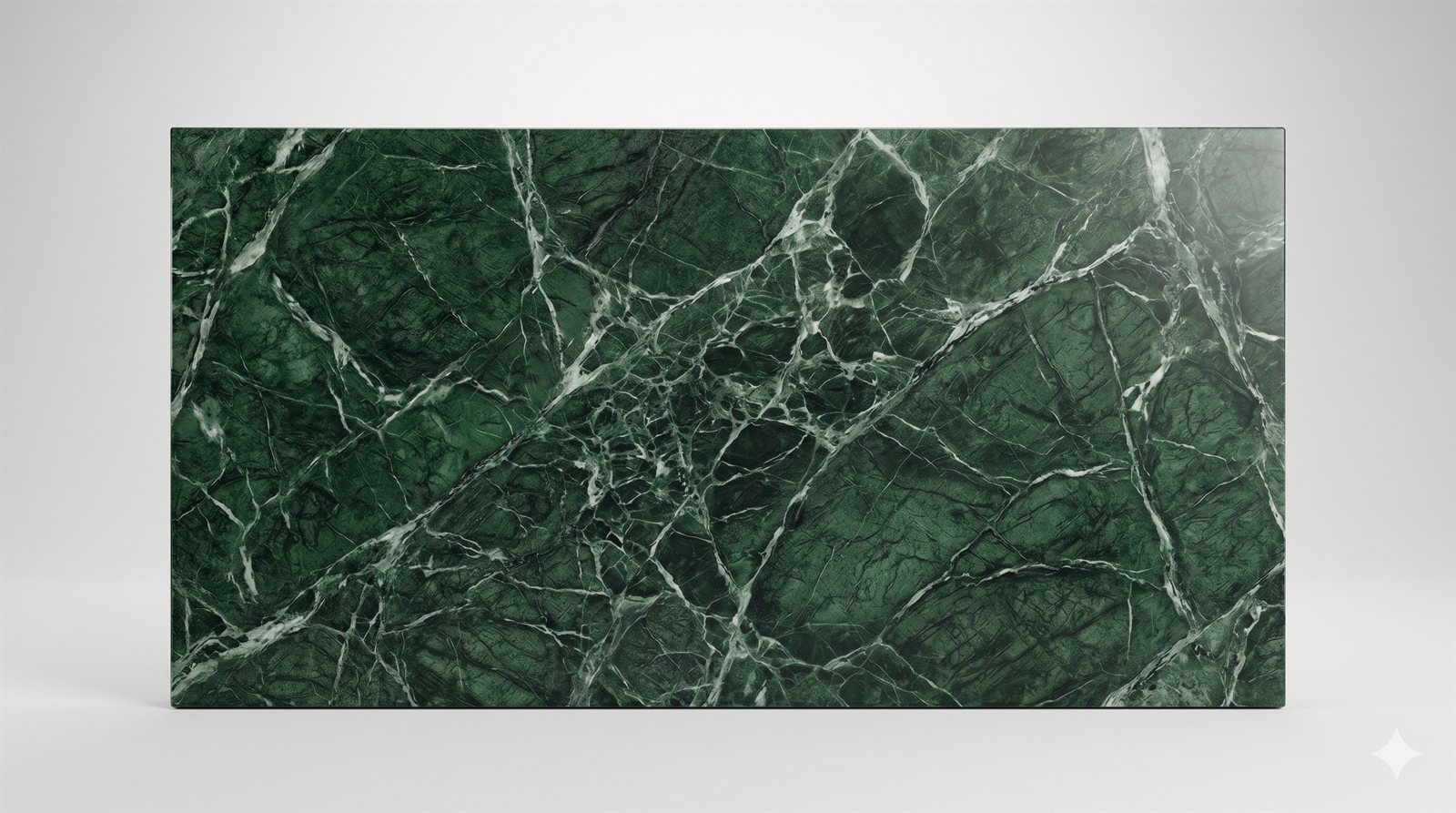
Spider Green slabs present a deep emerald-green field crossed by a network of fine white calcite veining that reads as web-like and organic. Some blocks present subtler vein networks; others carry richer, denser white patterning that gives slabs dramatic graphic depth. Book-matched pairs amplify the spider effect, producing mirrored compositions that read as sculptural natural artwork.
The marble pairs powerfully with traditional Indian, Mediterranean, and contemporary biophilic design palettes — against teak, brass, leather, and warm walls it grounds sculpturally; against cool minimalist palettes it provides dramatic green focus. Polished finishes maximise the green depth and white vein contrast; honed finishes soften the surface for floor applications while retaining the dramatic patterning.
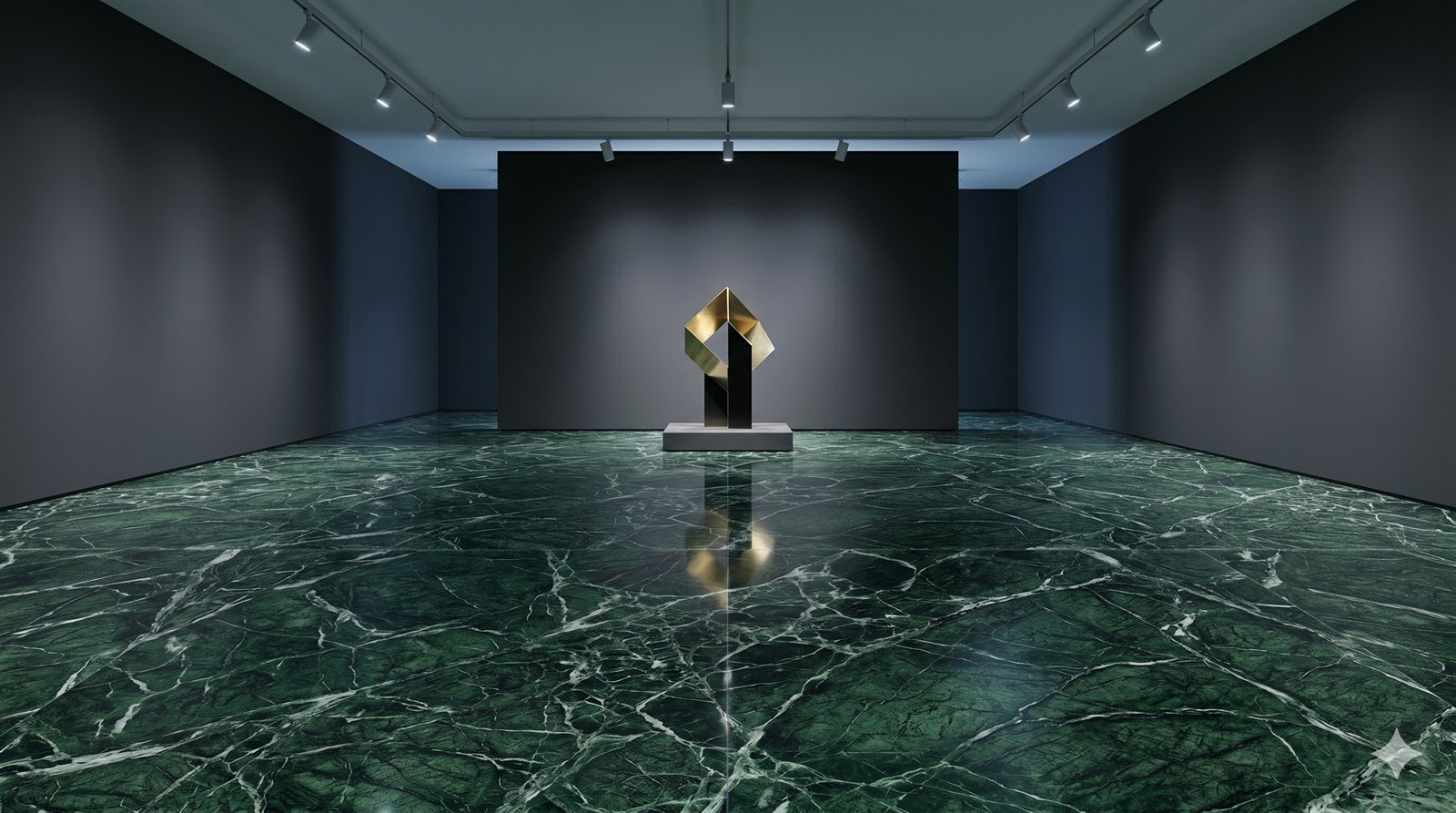
Spider Green Marble is most commonly specified for feature walls, fireplace surrounds, vanity tops, hotel lobbies, and book-matched cladding installations where the dramatic web-veined patterning becomes the central design element. Its visual weight makes it best deployed as a focal feature rather than a primary floor material.
Gangsaw slabs (280 × 180 cm) are essential for showcasing the spider patterning across maximum surface area; cutter slabs (180 × 60 cm) suit vanity tops and smaller features. Book-matched pairs are highly effective and frequently requested — our Rajasthan facility selects adjacent slabs from the same block for projects where mirrored web patterns enhance the visual impact.
Polished finish maximises the green depth and white vein contrast — most often specified for feature walls and vanity applications. Honed finish softens the surface and produces a contemplative matte ideal for floor applications. Leathered finish introduces gentle surface texture that complements the organic vein patterning. Brushed finish suits heritage and traditional applications.
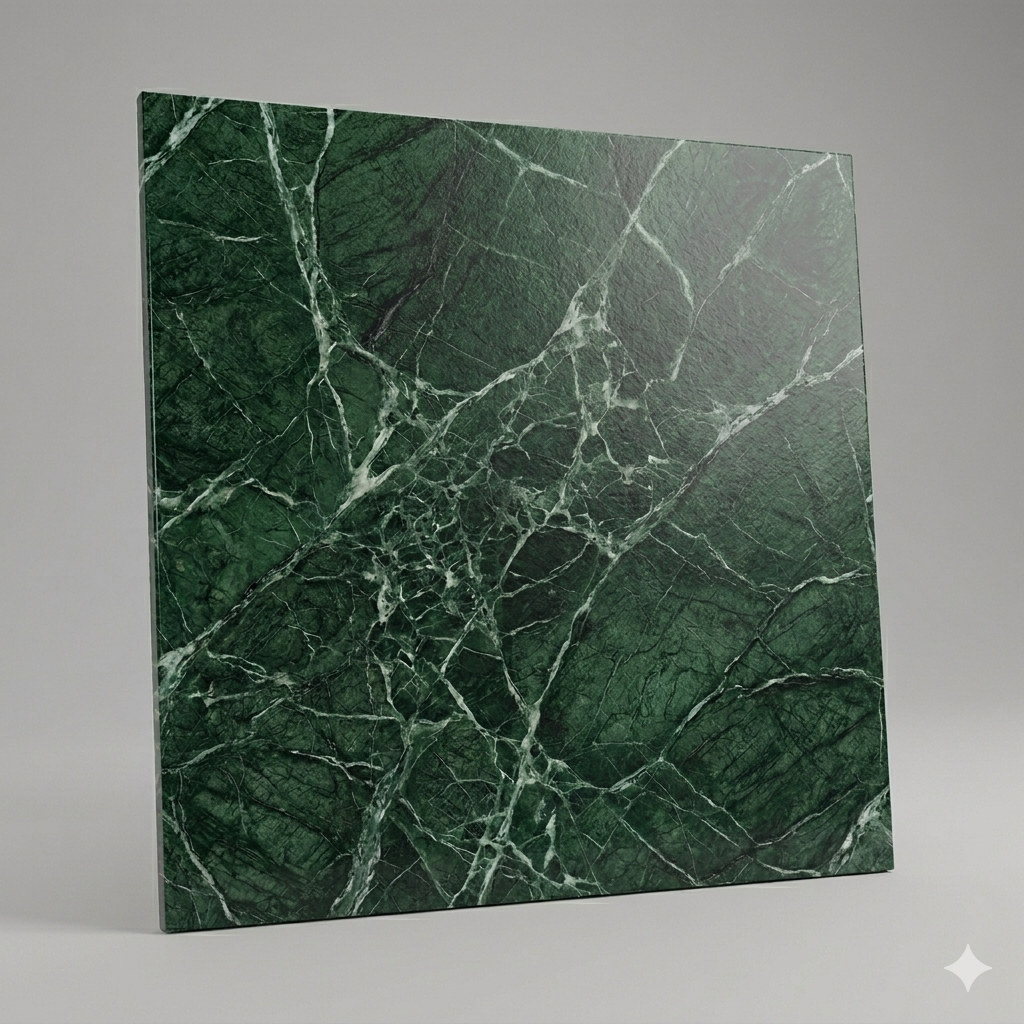
Spider Green Marble is supplied in two production formats. Gangsaw slabs are large-format slabs sized for premium architectural projects requiring continuous, dramatic surfaces. Cutter slabs are smaller-format slabs optimised for residential installations and tile production.
Custom tile sizes available: 60×60 cm, 60×90 cm, 90×90 cm. Cut to specification at our Rajasthan facility.
Apply a penetrating stone sealer at installation; reseal annually in kitchen and bathroom environments. Clean with a pH-neutral stone cleaner — avoid acidic cleaners and abrasive pads, which etch the calcite vein content. Blot spills promptly, particularly wine, coffee, oil, and citrus. The deep green colouration and white veining are intrinsic to the stone's mineralogy and remain stable when correctly sealed.
Marble
Rich violet tones. Banswara, Rajasthan.
View Details →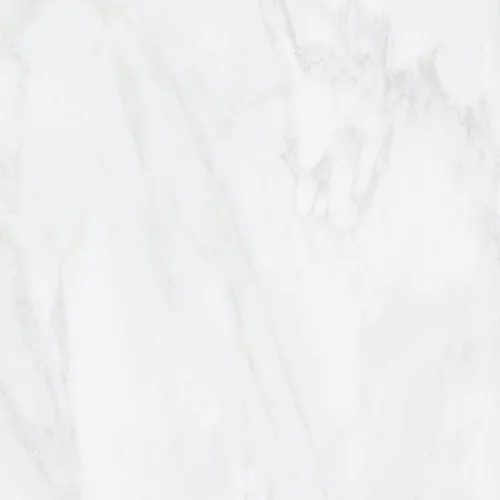 Marble
Milky white. Makrana, Nagaur — India's most storied quarry.
View Details →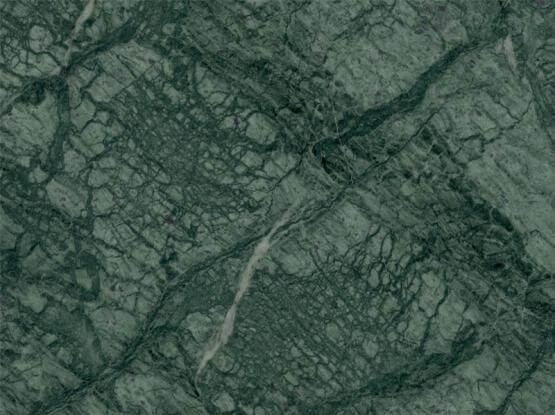 Marble
Deep emerald green with gold veining. Rajsamand, Rajasthan.
View Details → North Indian Granite
Warm golden-beige. North India.
View Details →