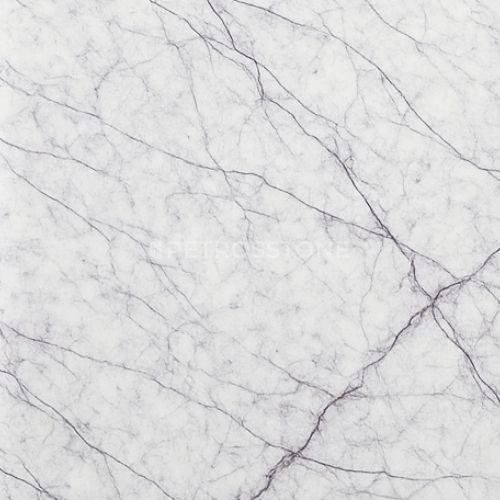
 Marble
View Details →
Banswara Purple Marble
Rich violet tones. Banswara, Rajasthan.
View Details →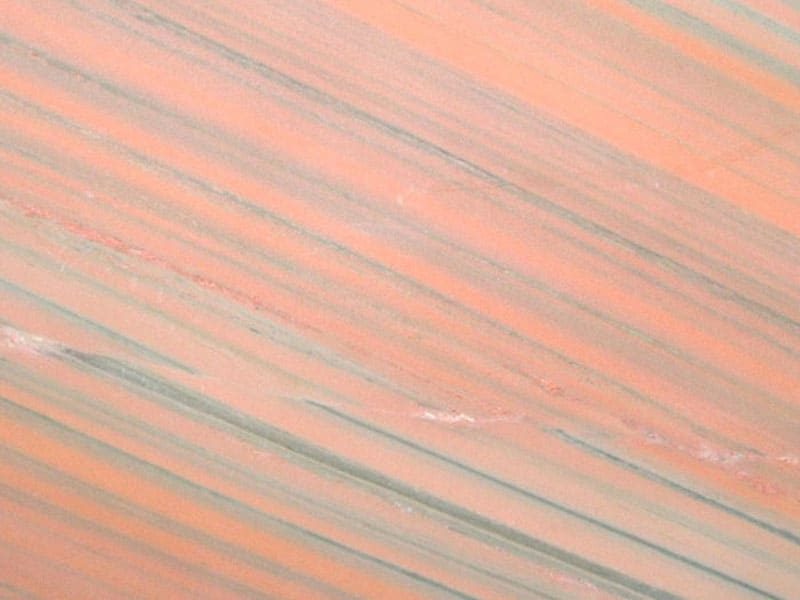


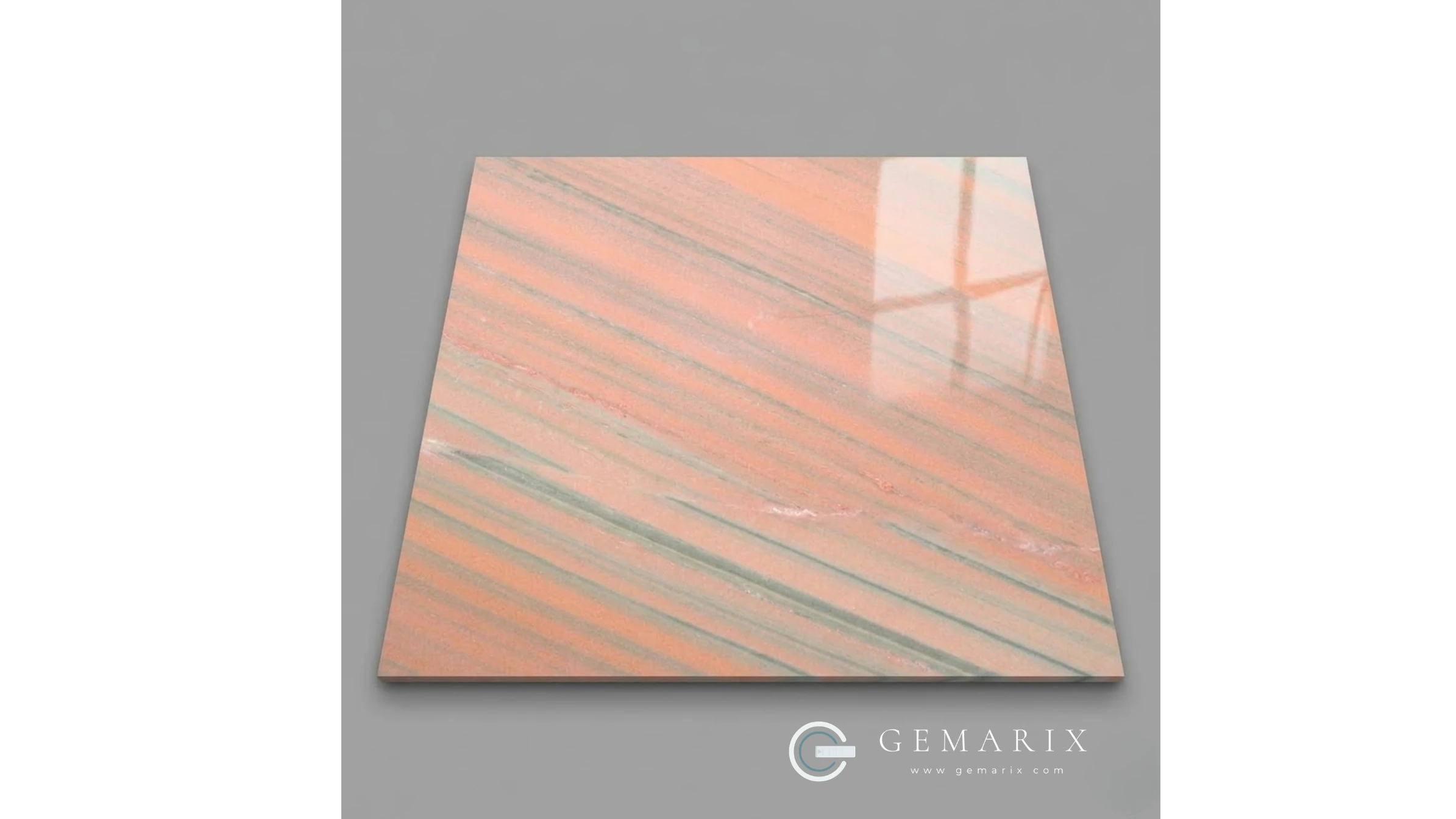
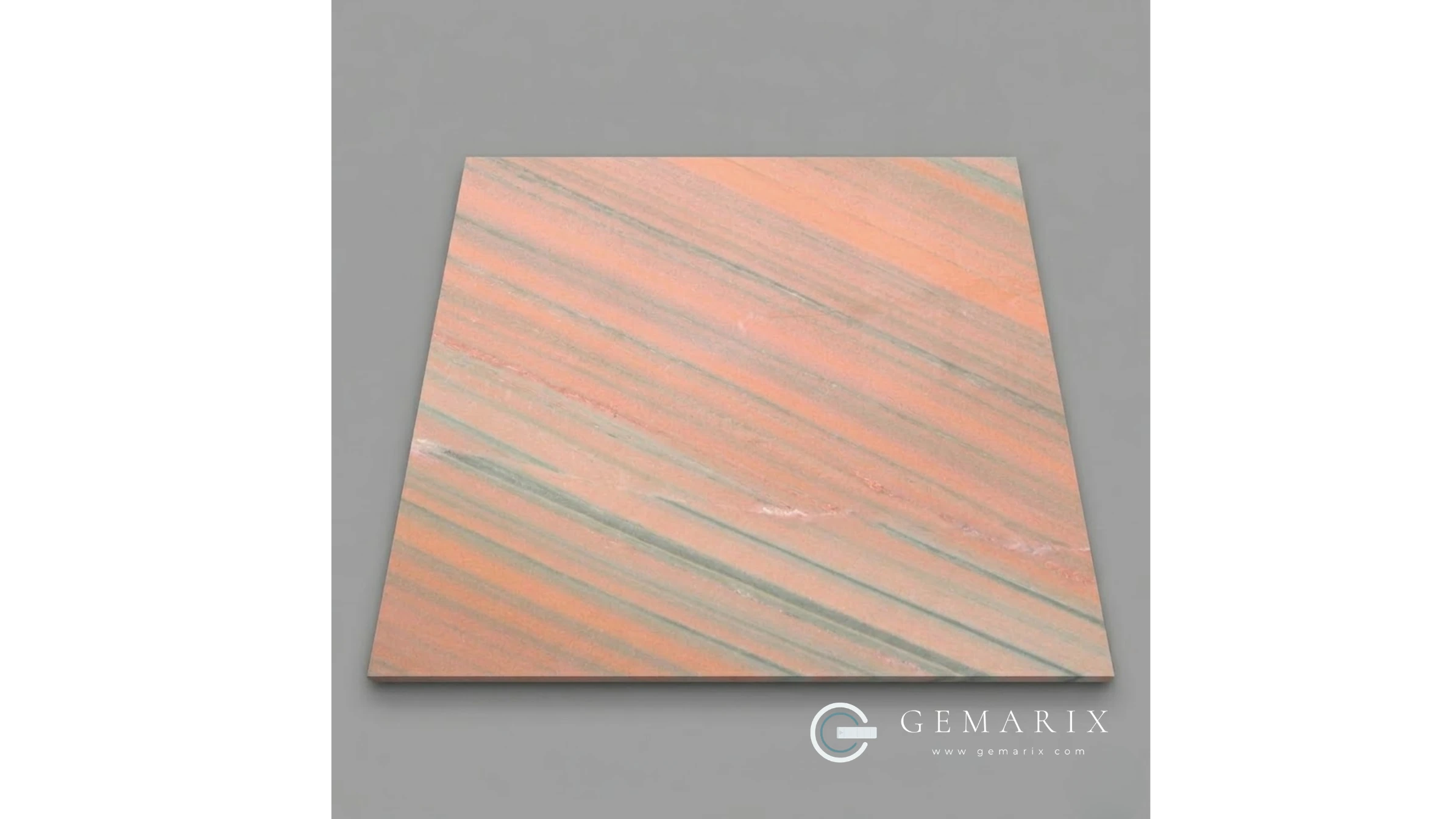
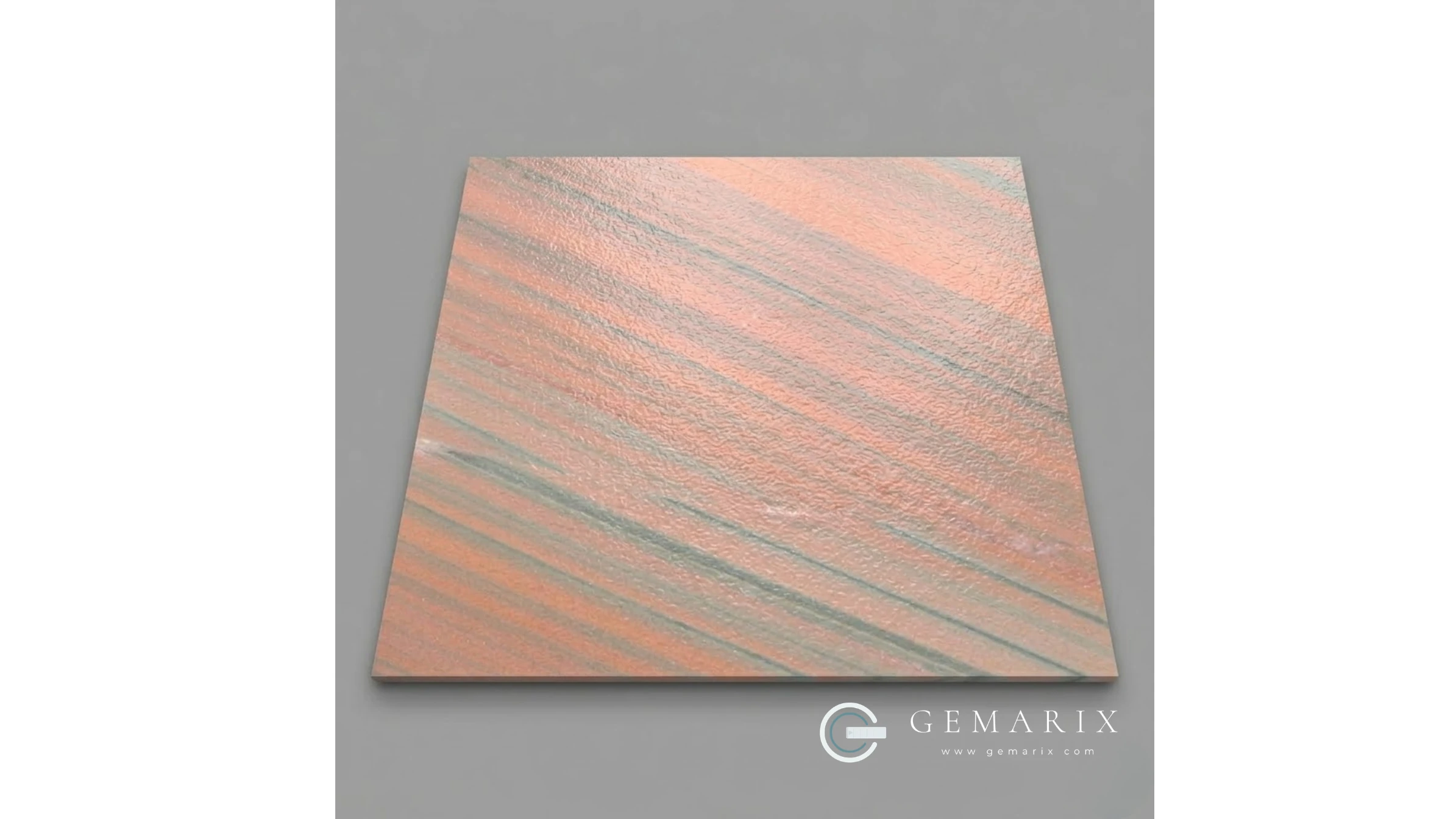
FOB Mundra / Nhava Sheva. MOQ and pricing vary by specification.
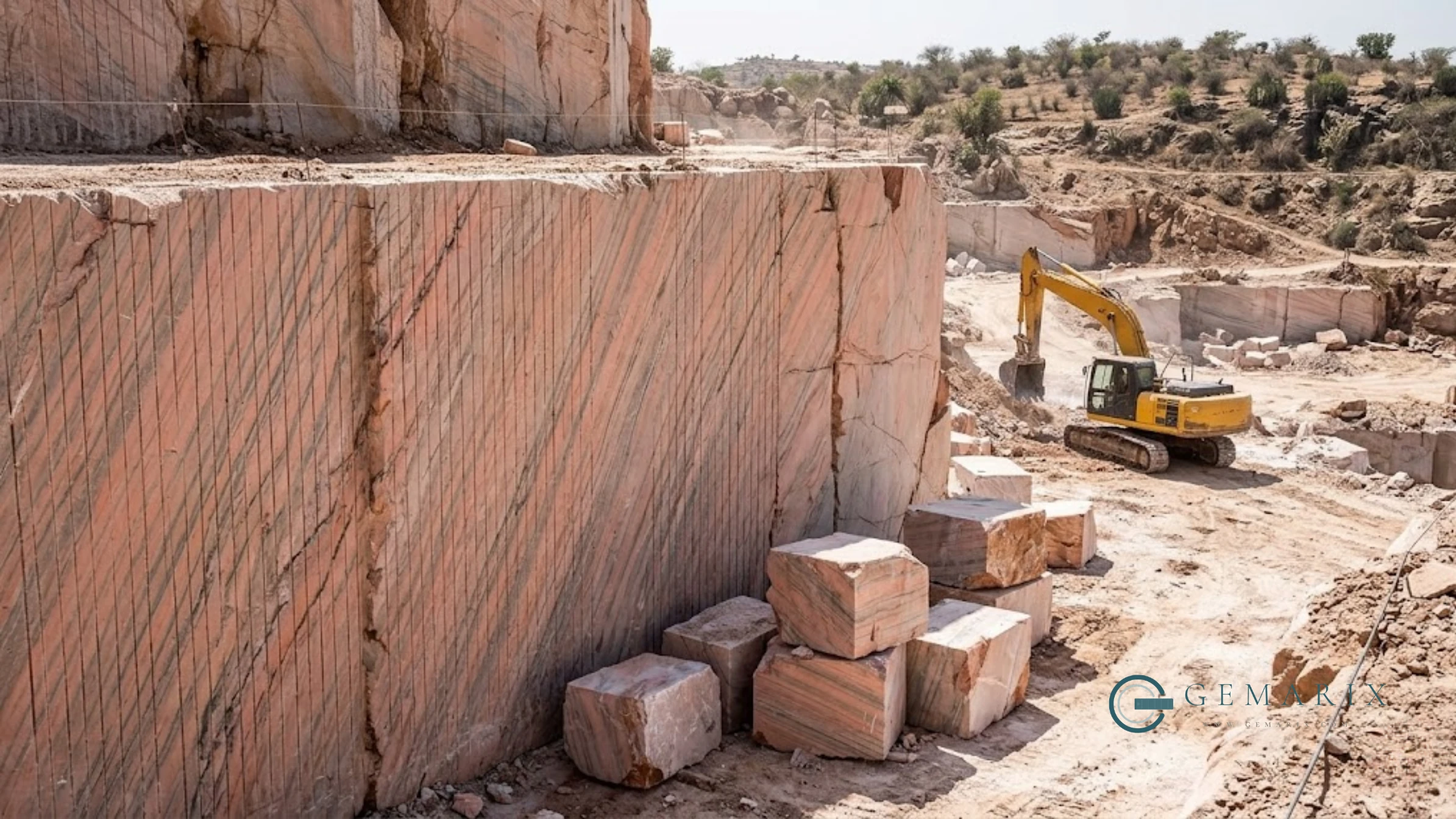
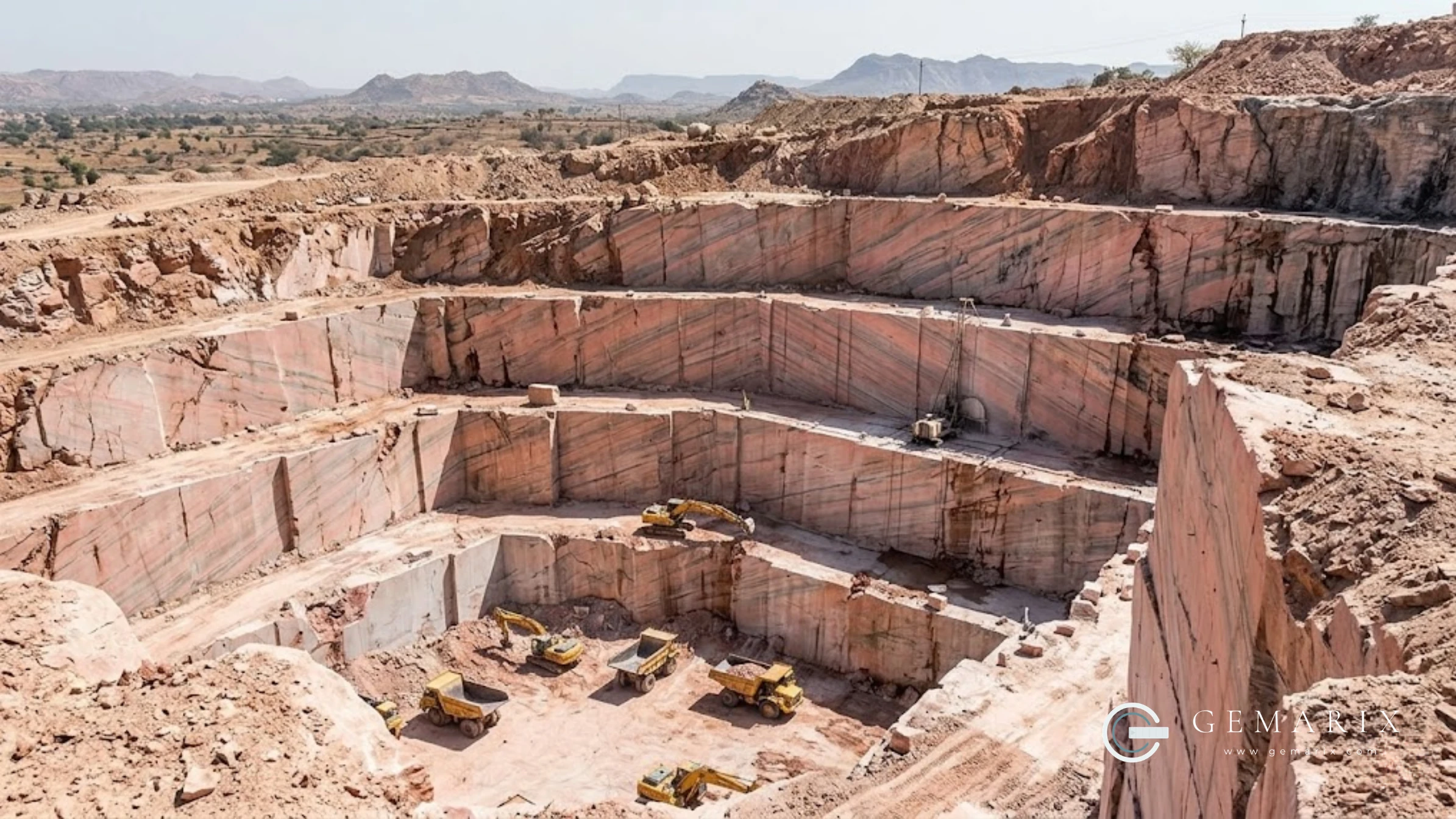
Udaipur Pink Marble takes its name from the Udaipur district of Rajasthan — the city of lakes and one of India's most storied stone-producing regions. The marble deposits here sit within the southern Aravalli belt, where Precambrian limestone formations underwent intense heat and pressure over geological timescales, producing the fine-grained, tightly crystallised marble structure that gives this stone both its exceptional workability and its distinctive soft colour palette.
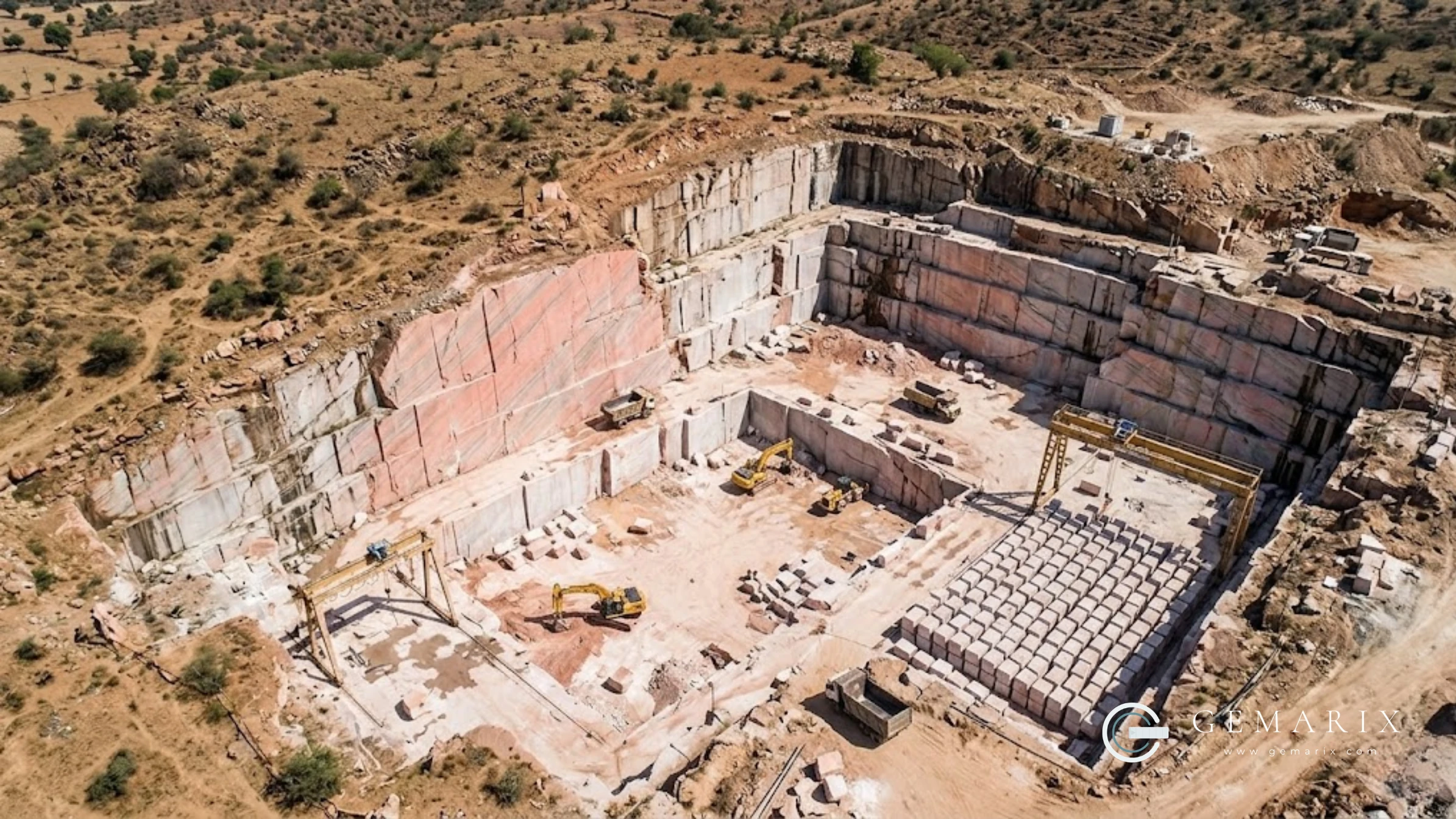
Udaipur has supplied stone for palaces, temples, and step-wells across Rajasthan for centuries. Today the region's quarries serve a global export market, and our facility sources directly from quarry faces we know well — enabling the consistency of block quality and colour matching that large project specifications demand.
Indicative quarry views — actual sourcing site varies by stone
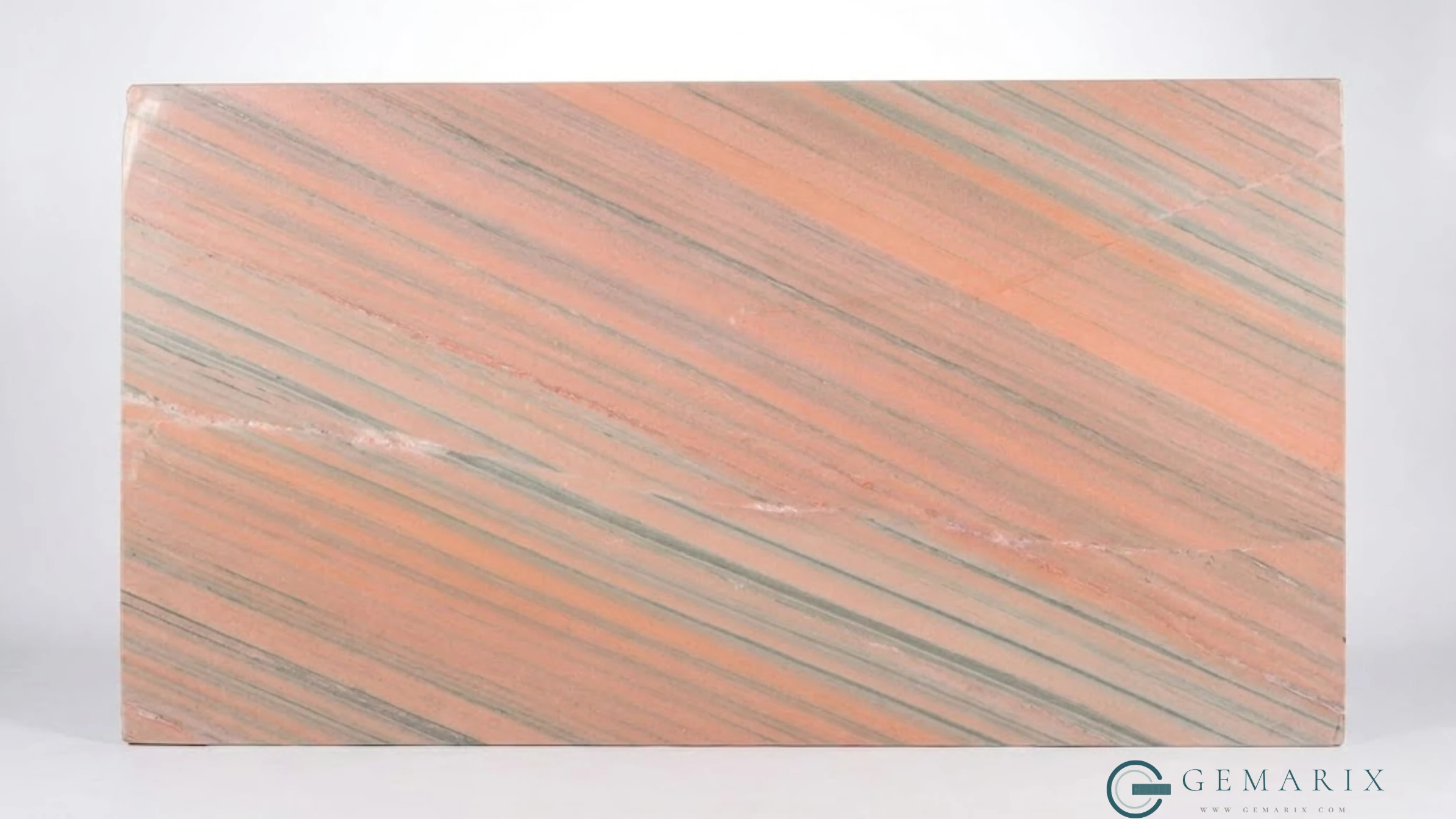
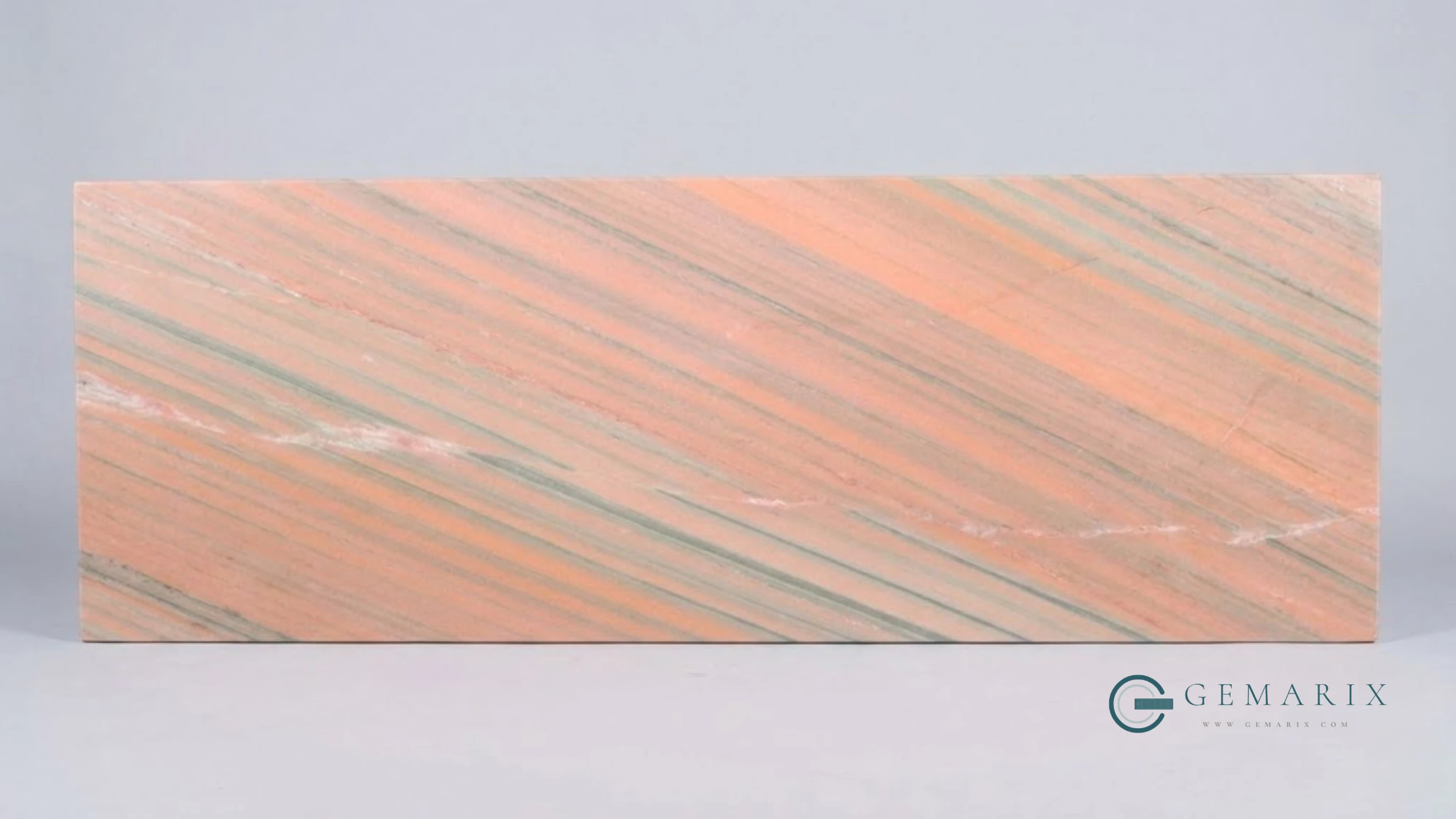
The characteristic rose-pink colouration of Udaipur Pink Marble is produced by trace iron oxide minerals — primarily hematite and goethite — distributed through the recrystallised calcite during metamorphism. These minerals colour the calcite matrix from within, creating the blush and rose tones that cannot be replicated by surface treatment or artificial colouring. The accompanying grey and white veining represents secondary calcite and quartz infiltration along natural joint planes in the parent rock mass. Origin and specifications verified by Gemarix.
Colour across Udaipur Pink slabs ranges from pale blush and dusty rose to a more saturated warm pink, depending on the quarry zone and block position. The veining — usually soft grey, white, or cream — moves in flowing, irregular patterns rather than hard geometric lines, giving the stone an organic, relaxed quality that reads as refined rather than stark.
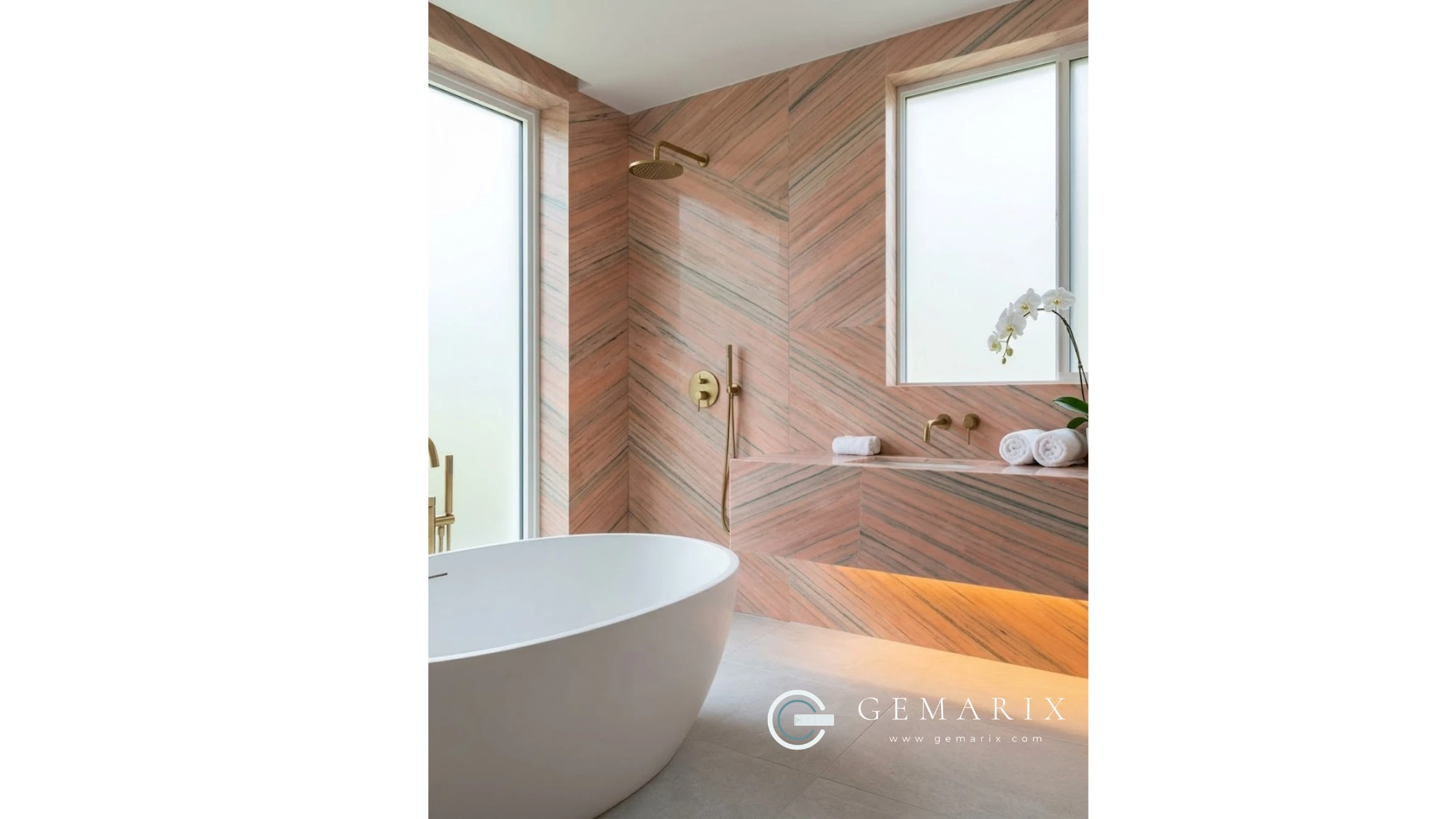
Against white or off-white surroundings, Udaipur Pink introduces warmth without aggression — making it particularly versatile in residential design where the goal is comfort alongside elegance. It pairs effectively with warm timber tones, brushed brass, and aged bronze hardware. Polished surfaces accentuate the translucency of the stone and deepen the pink; honed finishes cool it slightly towards the dustier end of the palette.
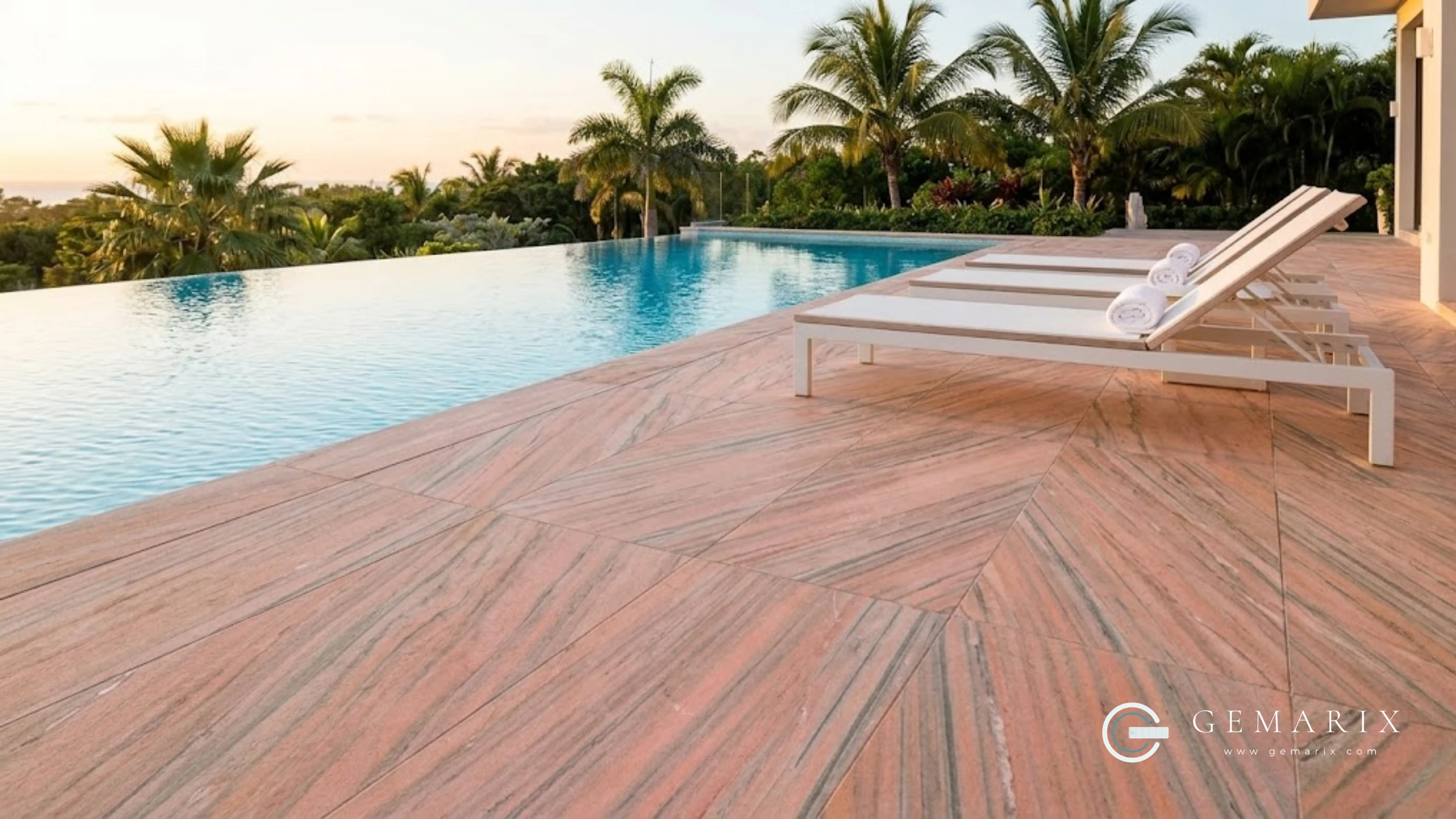
Udaipur Pink Marble is most commonly specified for master bathroom floors and wall cladding, residential living area accent walls, luxury hotel suite bathrooms, and spa interiors where the warm colouring contributes to an atmosphere of calm and comfort. Its medium visual weight makes it adaptable — it can anchor a space as a floor material or provide a warm accent when used for a single feature wall or vanity surround.
Gangsaw slabs (280 × 180 cm) are supplied for large-format cladding and flooring. Cutter slabs (180 × 60 cm) are popular for bathroom vanities, fireplace surrounds, and kitchen island applications. Our Rajasthan processing facility cuts custom tile sizes to project specification, finishing to polished, honed, or leathered surface as required.
Polished finish deepens the pink tones and produces a warm, reflective surface that suits both contemporary and traditional interior settings — the most frequently specified finish for wall cladding and vanity tops. Honed finish produces a silky matte surface with a cooler, more restrained colour reading, well-suited for bathroom floor tiles. Leathered finish introduces gentle surface texture and subdues the reflectivity, creating a less formal character that suits residential feature walls. Brushed finish is available for feature applications requiring a more rustic or antique surface quality.

This stone is supplied in two production formats. Gangsaw slabs are large-format slabs for premium architectural projects requiring continuous surfaces. Cutter slabs are smaller-format slabs optimised for residential installations and tile production.
Custom tile sizes available: 60×60 cm, 60×90 cm, 90×90 cm. Cut to specification at our Rajasthan facility.
Apply a penetrating stone sealer on installation; reseal annually in bathroom and kitchen environments. For daily cleaning, use a pH-neutral stone cleaner diluted in water and a soft cloth — never abrasive pads or acidic cleaners, which etch the calcite surface and dull polished finishes. Blot spills promptly, particularly red wine, coffee, and citrus juices. In wet areas, ensure adequate ventilation and grout sealing alongside the stone itself to prevent moisture ingress at joints.
Marble
Rich violet tones. Banswara, Rajasthan.
View Details →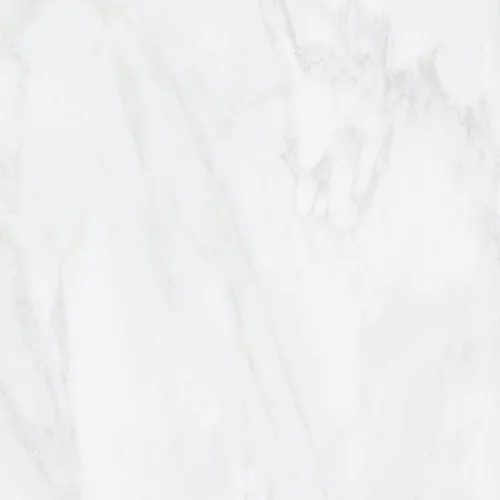 Marble
Milky white. Makrana, Nagaur — India's most storied quarry.
View Details →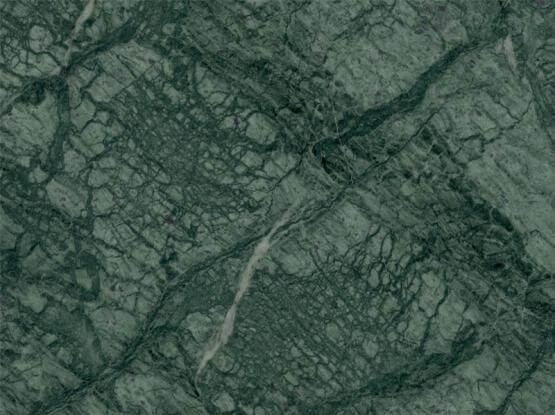 Marble
Deep emerald green with gold veining. Rajsamand, Rajasthan.
View Details →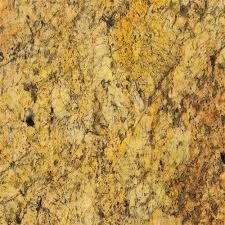 North Indian Granite
Warm golden-beige. North India.
View Details →